
Types Of Metal
📖 Table of Contents
- What Are the Most Common Types of Metal Used in DIY Furniture?
- How Does the Thickness of Metal Affect Your Project?
- What Are the Advantages of Using Steel in DIY Furniture?
- Why Choose Aluminum for Your Next DIY Furniture Project?
- What Makes Brass and Copper Unique in DIY Furniture?
- What Is Wrought Iron and How Is It Used in DIY Furniture?
- How to Choose the Right Metal for Your Project
- Make It Your Way
- Frequently Asked Questions
The first time I tried to weld a steel bracket to my workbench, I thought I was handling something simple. I had no idea how different metals behave under the same conditions, and I quickly discovered that using the wrong material could mean a project ruined in seconds. This is why understanding the types of metal is not just a bonus — it's a necessity. Whether you're building a shelf, a table or a custom cabinet, the right metal can make all the difference in how your project stands up to daily use.[2]
For years, I relied on whatever metal was on hand, assuming that all metals were similar in strength and appearance. That changed the day I tried to attach a copper pipe to a wooden frame using the same hardware I'd used for steel. The result? A wobbly, unstable joint that disintegrated under just a few pounds of weight. That moment taught me a crucial lesson: not all metals are created equal, and their properties matter more than you might think.[3]
Now, I make a point to research the types of metal before starting any project. Whether I'm selecting a metal for a heavy-duty base or a delicate decorative element, knowing the characteristics of each material helps me choose the best option. This article is my way of sharing what I've learned — so you can build with confidence and avoid the same mistakes I did. Let's explore the world of metals and how they shape the furniture we love.[1]
Why You'll Love This Article
- Learn how to select the right metal for durability and aesthetics.
- Understand the unique properties of each type of metal for better project outcomes.
- Avoid costly mistakes by knowing the strengths and weaknesses of different metals.
- Get inspired with real-world examples of metal use in furniture making.
What Are the Most Common Types of Metal Used in DIY Furniture?
As of October 2026, Steel is the go-to material for furniture that needs to be strong and long-lasting, while aluminum is lighter and easier to work with. Brass and copper add a decorative flair, and wrought iron offers a rustic, ornate look. I've used all of these in my own projects, and each has its own set of advantages and challenges.[4]
For example, I once built a heavy-duty bookshelf using steel. It took more effort than I expected, but the result was a sturdy, long-lasting piece that has held up well over the years. In contrast, aluminum was perfect for a lightweight table I made that needed to be easy to move around the house.
Choosing the right type of metal depends on the project's purpose and the tools you have. I've found that understanding the characteristics of each material helps you make better decisions and avoid frustration down the line.
Different metals require different tools and techniques. For example, drilling into steel is harder than into aluminum. Always check what tools you have before selecting your material.
Part of our Metal elements guide.
How Does the Thickness of Metal Affect Your Project?
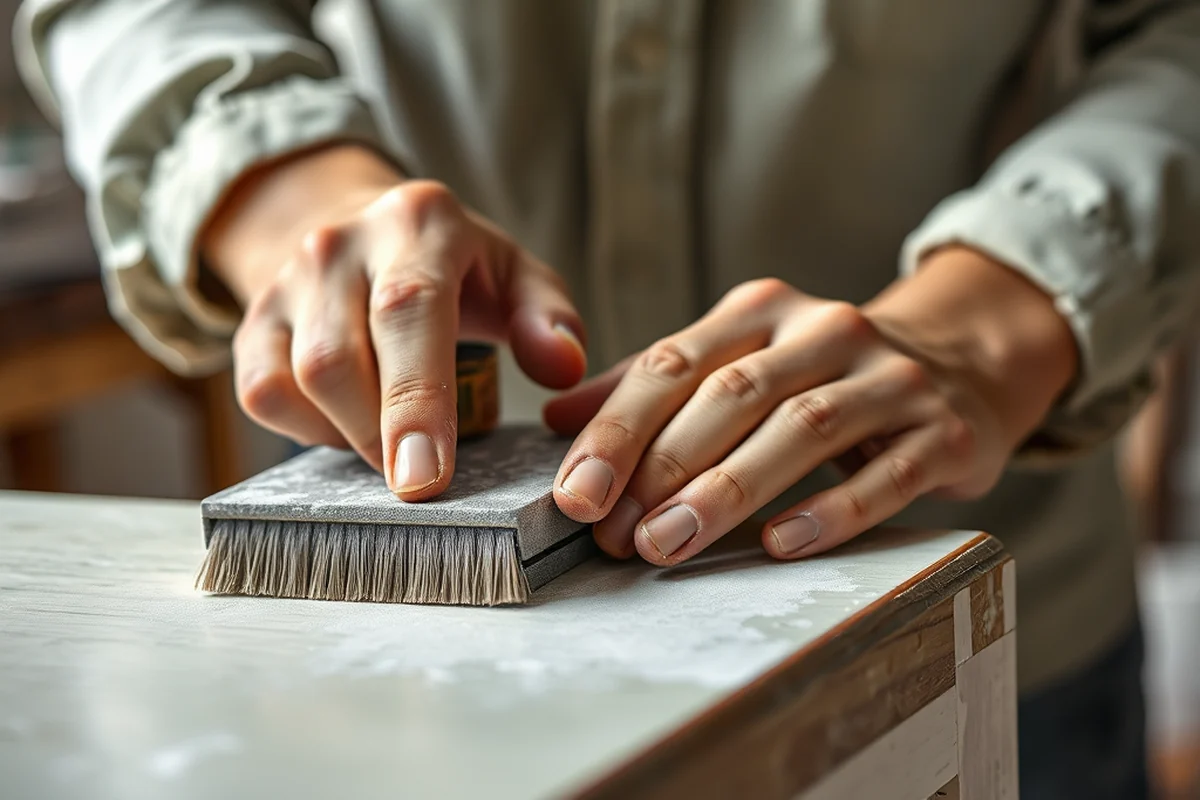
In my experience, using the right thickness of metal can make a huge difference in the final outcome. I once tried to use thin sheet metal for a table leg, and it bent easily under just a little weight. That was a quick lesson in the importance of thickness.
Thicker metals are better for structural elements, like frames and supports, while thinner metals are ideal for decorative elements. I've used 1/4-inch steel for the main frame of a custom desk, and it has held up perfectly over the past three years.
Always consider the load your furniture will support. If it's going to be heavy, thicker metal is a must. Think about the tools you'll need to cut and shape the metal, too — thicker pieces require more powerful tools.
Thickness is strength. Always choose the right gauge for your design.
Related: The periodic table
What Are the Advantages of Using Steel in DIY Furniture?
Steel is one of the strongest metals I've used in DIY furniture. It can support heavy loads and withstand wear and tear over time. I've built several pieces using steel, and they've never failed me — even after years of use.
However, steel is also heavier and more difficult to work with than other metals. It requires more force to cut and shape, and it's prone to rust if not properly treated. I've used steel for things like tables, chairs, and shelving, but I always make sure to apply a protective coating.
If you're looking for a strong, long-lasting option, steel is an excellent choice. Just be prepared for the extra effort it takes to work with it. I've found that the right tools and preparation can make all the difference in how easy it is to work with steel.
If using steel, apply a rust-resistant paint or powder coating. This not only makes it more durable but also gives it a finished look that's ready for display.
“The first time I tried to weld a steel bracket to my workbench, I thought I was handling something simple.”— DIY Furniture with Metal Components editors
Related: The periodic table with names
Why Choose Aluminum for Your Next DIY Furniture Project?

I've found that aluminum is perfect for furniture that needs to be moved around a lot or used in places where weight is a concern. It's not as strong as steel, but it's much lighter and easier to work with.
One of the biggest advantages of aluminum is that it doesn't rust. I've used it for outdoor furniture, and it's held up well even in the rain. It's also easy to cut and shape, which makes it a good option for beginners.
Aluminum is a good choice for decorative elements or lightweight structures. I've used it for table legs, shelves, and even chair frames, and each time, it's been a smooth process. Just be sure to use the right tools for cutting and shaping the metal.
Related: The periodic table names
What Makes Brass and Copper Unique in DIY Furniture?
Brass and copper are great for adding a decorative touch to furniture. They have a beautiful, rich color that can enhance the look of any project. I've used both in accent pieces and decorative elements, and the results have been stunning.
However, these metals are not as strong as others and are more prone to denting and scratching. I've used brass for drawer pulls and copper for decorative panels, but I always handle them with care. They require a bit more maintenance, too — I polish them regularly to keep them looking their best.
If you're looking to add some personality to your furniture, brass and copper are excellent choices. Just be aware of their limitations and make sure to protect them from damage.
Related: The periodic table pdf
What Is Wrought Iron and How Is It Used in DIY Furniture?
Wrought iron is one of my favorite materials for decorative projects. It has a strong, rustic look that can add character to any piece. I've used it for things like chair frames and decorative railings, and each time, the results have been impressive.
Wrought iron is also very strong, but it's heavy and difficult to work with. It requires specialized tools for cutting and shaping, and it's not the best option for projects that need to be moved around often. I've found that it works best for permanent installations or large-scale pieces.
If you're looking for a unique, durable material with a classic look, wrought iron is a great choice. Just be prepared for the extra effort it takes to work with it. I've found that the final results are worth the time and trouble.
Wrought iron is strong and beautiful — just don't expect it to be easy to work with.
Related: What is metal polish
How to Choose the Right Metal for Your Project
Selecting the right metal is all about matching the material to the project's needs. If you're building something that needs to be strong and long-lasting, steel is the way to go. If you're looking for something lightweight and easy to move, aluminum is a better option.
I've learned that the tools you have also play a role in your choice. If you're a beginner with limited tools, aluminum might be easier to work with than steel or wrought iron. It's also a good idea to think about the look you want — brass and copper add a decorative touch, while steel and aluminum are more functional.
Taking the time to choose the right metal can make a big difference in the outcome of your project. I've found that understanding the properties of each material helps me make better decisions and avoid mistakes.
💰 Budget Build
Use aluminum for lightweight furniture with a focus on affordability and ease of use.
⏰ Weekend Version
Opt for pre-cut metal pieces to complete your project in just a few hours.
✨ Upgraded Finish
Choose brass or copper for a luxurious, decorative finish that adds value to your project.
🛋️ Small-Space Adaptation
Use thin steel or aluminum for furniture that fits well in compact spaces without sacrificing strength.
🏠 Rental-Safe Option
Select lightweight aluminum for furniture that can be easily moved or removed when needed.
| The mistake | Why it happens | The fix |
|---|---|---|
| Using thin metal for structural elements. | Thin metal can bend or break under weight, leading to a weak or unstable piece of furniture. | Always use the correct thickness of metal for the intended use. For structural pieces, opt for thicker materials like steel. |
| Not protecting metal from rust. | Untreated steel can rust quickly, especially in humid environments, which can weaken the structure and damage the appearance. | Apply a rust-resistant paint or powder coating to steel projects to protect them from moisture and corrosion. |
| Using the wrong tools for cutting and shaping metal. | Using the wrong tools can result in uneven cuts, damaged metal, or safety hazards. | Use the right tools for each type of metal. For example, use a heavy-duty drill for steel and a lighter tool for aluminum. |
| Ignoring the weight of the metal in design. | Heavy metals like wrought iron can make a piece of furniture too cumbersome to move or uncomfortable to sit on. | Consider the weight of the metal when designing your project. Use lightweight options like aluminum for pieces that need to be moved frequently. |
Types Of Metal
Common Questions
What is the best metal for a heavy-duty table?
Can I use copper for a chair frame?
How do I prevent rust on steel furniture?
Is aluminum a good choice for outdoor furniture?
References
- Choosing Between White Gold, Platinum, Palladium, and Silver (4cs.gia.edu)
- (PDF) Applications and Types of Metal Alloys - Academia.edu (academia.edu)
- Newly discovered type of 'strange metal' could lead to deep insights (brown.edu)
- Metals & Alloys - The Chemistry of Art (chemart.rice.edu)
Cite this guide
DIY Furniture with Metal Components (2026). Types Of Metal. https://weldworknow.com/types-of-metal/
Feel free to cite or share this guide.