
What Is Metal Products
📖 Table of Contents
- What Are Metal Products in the Context of DIY Furniture?
- The Role of Metal in Furniture Construction
- Common Types of Metal Products Used in DIY Furniture
- How to Select the Right Metal Products for Your Project
- The Benefits of Using Metal Products in DIY Furniture
- Common Mistakes When Using Metal Products in DIY Projects
- Tips for Working with Metal Products in DIY Furniture
- Make It Your Way
- Frequently Asked Questions
When I first started exploring DIY furniture, I had no idea how much metal components could change the game. What began as a simple attempt to build a coffee table quickly turned into a full-blown obsession with how metal could transform design and durability. The word 'metal products' might sound vague, but it's a category that includes everything from structural beams to decorative accents, each with its own role in the world of furniture. Understanding what these products are—and how they work—has been a game-changer for my projects.
Metal products are more than just a material; they're a foundation for stability, a conduit for creativity, and a way to build furniture that feels both strong and stylish. I've used everything from galvanized steel brackets to polished brass handles, and each choice has affected the final look and feel of the piece. Whether you're building a bookshelf or reinforcing a chair, knowing the right type of metal product for the job makes all the difference. This isn't just about aesthetics—it's about function, longevity, and safety.[1]
As I've experimented with different types of metal components, I've discovered that they're not just for industrial or commercial applications. They're perfect for DIYers who want to create something that lasts. What I once thought of as purely utilitarian materials have become tools for expression. For instance, using a steel frame for a modular shelving unit not only gives it a sleek, modern look but also ensures it can support heavy items without warping or bending. This is the power of metal products in DIY furniture: they combine form and function in a way that's both satisfying and practical.[2]
Why You'll Love This Guide to Metal Products
- Metal products offer unmatched durability for your DIY furniture projects.
- They add a level of sophistication and modernity to any design.
- They are versatile and can be adapted to a wide range of styles and functions.
- They are cost-effective when used correctly and can last for years.
What Are Metal Products in the Context of DIY Furniture?
As of October 2026, in the DIY world, metal products are not just about the heft of a steel beam or the shine of a brass knob. They are the unsung heroes that ensure your furniture holds up under daily use. For example, when I built a custom desk, I used a steel frame to reinforce the legs, which made the desk feel much more stable than a purely wooden one.[3]
The versatility of metal products is one of their best features. Whether you're reinforcing a chair with steel brackets or adding a decorative iron handle to a cabinet, the material adapts to your needs. I've found that choosing the right type of metal—like stainless steel for high-moisture areas or wrought iron for a vintage look—can greatly affect the success of your project.
Another thing to consider is the weight of the metal you're using. Heavier metals, like cast iron, are perfect for adding weight and stability to a piece, while lighter metals like aluminum are great for creating sleek, modern designs. I once used aluminum tubing to build a lightweight yet sturdy side table, and it turned out to be a perfect balance of strength and style.
When selecting metal products, consider the weight, durability, and aesthetic you want. For example, stainless steel is ideal for kitchens, while brass is great for adding a touch of luxury to your furniture.
Part of our Metal elements guide.
The Role of Metal in Furniture Construction
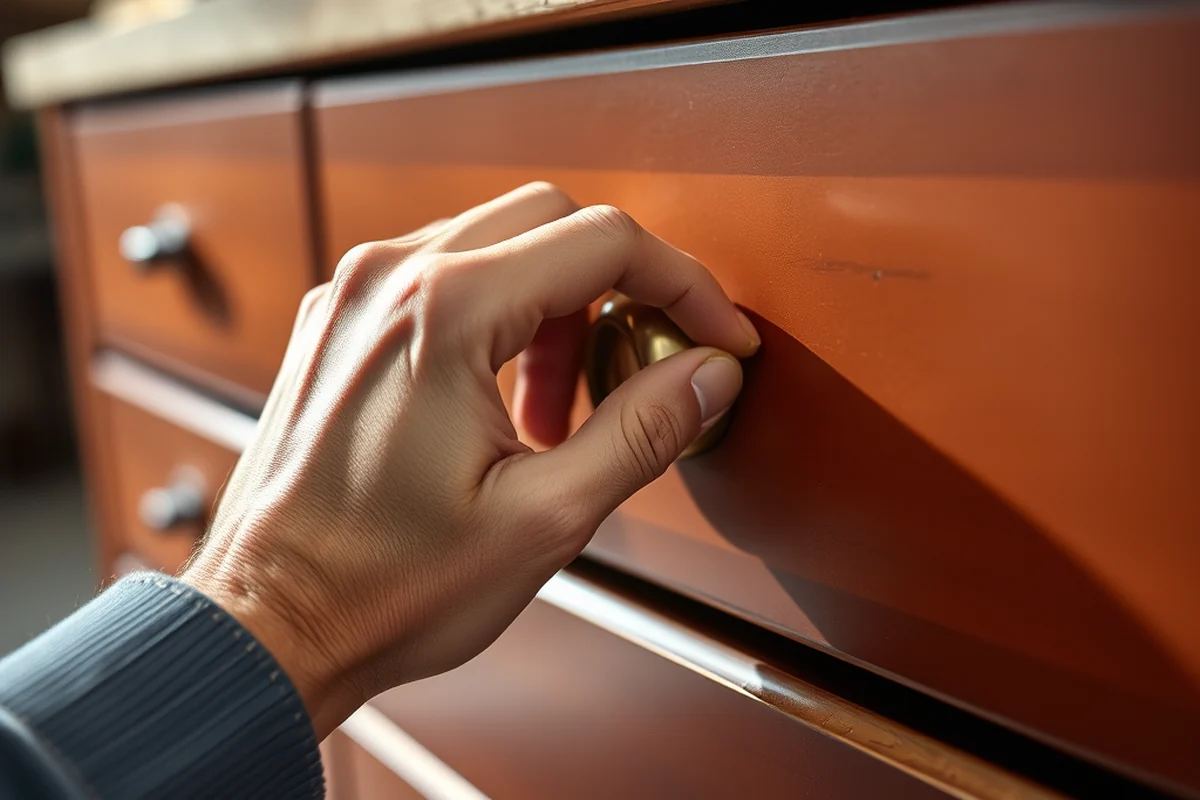
One of the most important roles of metal in furniture is providing structural support. I remember when I tried to build a bookshelf without any metal components, and it ended up sagging under the weight of my books. Once I added steel brackets to reinforce the shelves, it became much more stable and durable.
Metal is also used to reinforce joints, which is especially important in pieces like tables and chairs. I've found that using corner brackets made from steel or aluminum can prevent the legs from coming apart over time, especially with heavy use. This small addition makes a big difference in the longevity of your furniture.
In addition to function, metal also enhances the visual appeal of a piece. I've used decorative metal handles and brackets to add a unique touch to my projects, and it's amazing how much a small detail like that can elevate the overall look of a piece.
Metal is the secret ingredient that can make or break the durability and style of your DIY furniture.
Related: The periodic table
Common Types of Metal Products Used in DIY Furniture
Steel is one of the most commonly used metals in DIY furniture because of its strength and affordability. I've used steel brackets to reinforce the legs of chairs and tables, and it has been a game-changer in terms of stability and durability.
Aluminum is another popular choice, especially for creating lightweight yet strong pieces. I once used aluminum tubing to build a side table, and it turned out to be both sturdy and easy to assemble. The lightweight nature of aluminum also makes it a great option for projects that need to be moved frequently.
Brass and wrought iron are more decorative in nature but still offer a level of strength that's hard to match. I've used brass handles on cabinets and drawers, and they not only look great but also add a touch of luxury to the space.
Steel is best for heavy-duty support, aluminum for lightweight strength, and brass/wrought iron for decorative elements. Choose based on the function and style you want.
“When I first started diving into DIY furniture, I had no idea how much metal components could change the game.”— DIY Furniture with Metal Components editors
Related: The periodic table with names
How to Select the Right Metal Products for Your Project

When I started working on a custom table, I realized that choosing the right metal components was just as important as the wood I was using. I ended up using steel legs and brackets, which not only added a modern look but also made the table much more stable. It was a small detail, but it made a big difference in the final product.
Another thing to consider is the type of finish the metal has. Galvanized steel is great for outdoor use because it resists rust, while polished brass adds a touch of elegance to any space. I've used both in different projects, and each time, the right finish made the piece look and feel more professional.
It's also important to think about the tools you'll need to work with the metal. For example, working with steel may require a wrench or a drill, while working with brass might require different techniques. I've found that investing in the right tools upfront makes the process much smoother and more efficient.
Related: The periodic table names
The Benefits of Using Metal Products in DIY Furniture
One of the biggest benefits of using metal products is the increased durability they bring to your projects. I've found that furniture built with metal components tends to last much longer than purely wooden pieces. This is especially important for high-traffic areas like entryways or living rooms.
In addition to durability, metal products can add a unique style to your furniture. I've used wrought iron legs on a coffee table, and it gave the piece a rustic, vintage look that I really loved. It was a simple addition, but it completely changed the vibe of the room.
Another benefit is the versatility of metal products. Whether you're building a modern, minimalist piece or a more ornate design, there's a metal component that can suit your needs. I've used everything from stainless steel handles to decorative brass accents, and each time, the result was something I was proud of.
Related: The periodic table pdf
Common Mistakes When Using Metal Products in DIY Projects
One of the most common mistakes I've seen is selecting the wrong type of metal for the job. For example, using aluminum brackets on a heavy-duty table might not provide the support needed, and the table could end up sagging over time. It's important to choose a metal that matches the weight and use of the piece.
Another mistake is not reinforcing joints properly. I once built a chair without using any metal brackets, and it collapsed under the weight of my friend. It was a painful lesson, but it taught me the importance of reinforcing joints with metal components.
Finally, skipping the finishing process can lead to rust and corrosion, especially in outdoor or high-moisture areas. I've used galvanized steel in a few projects, and it's made a big difference in terms of longevity and maintenance.
Choosing the wrong metal or skipping the finishing process can lead to a short-lived, unstable piece.
Related: What is metal polish
Tips for Working with Metal Products in DIY Furniture
When working with metal products, it's important to use the right tools. I've found that having a good set of wrenches, screwdrivers, and pliers makes a big difference in how smoothly your project comes together. It also helps prevent damage to the metal components.
Planning the placement of metal components is another key tip. I've learned that thinking through where to place brackets, legs, or handles before starting the project can save a lot of time and effort. It also helps ensure that the final piece looks balanced and well-constructed.
Finally, proper reinforcement is essential. Whether you're building a table, chair, or shelf, making sure that all joints are properly reinforced with metal components can greatly increase the durability and stability of the piece. I've used this technique on several projects, and it's always paid off in the long run.
💰 Budget Build
Use basic steel brackets and handles to create a sturdy, no-frills piece that looks great and lasts.
⏰ Weekend Version
Spend just a few hours adding metal accents to your furniture for a quick, stylish upgrade.
✨ Upgraded Finish
Invest in polished brass or stainless steel components to give your DIY project a high-end, professional look.
🛋️ Small-Space Adaptation
Use lightweight aluminum components to create furniture that's both functional and space-saving.
🔒 Rental-Safe Option
Choose non-permanent metal attachments that can be easily removed and reinstalled without damaging the rental property.
| The mistake | Why it happens | The fix |
|---|---|---|
| Choosing the wrong type of metal | Using a metal that's not strong enough for the task can lead to unstable or weak furniture. | Select a metal based on the weight and use of the piece. For heavy-duty support, steel is the best choice. |
| Not reinforcing joints properly | Skipping the reinforcement step can lead to pieces coming apart over time, especially with heavy use. | Use steel or aluminum brackets to reinforce joints and ensure the stability of your furniture. |
| Skipping the finishing process | Not finishing the metal can lead to rust and corrosion, especially in high-moisture areas. | Apply a protective finish like galvanized coating or paint to prevent rust and increase the longevity of the metal. |
| Ignoring the weight of the metal | Using heavy metal components in lightweight furniture can make it unstable or unbalanced. | Consider the weight of the metal and the overall design of the furniture to ensure it's balanced and functional. |
What Is Metal Products
Common Questions
What types of metal are best for DIY furniture projects?
How can I reinforce my furniture with metal components?
What are the benefits of using metal in DIY furniture?
How much does it cost to use metal products in DIY projects?
References
- U.S. Aluminum Manufacturing: Industry Trends and Sustainability (congress.gov)
- Radishes, Advanced Imaging, and Liquid Metal Among New ... - NASA (nasa.gov)
- THE IRON AND STEEL INDUSTRIES OF EUROPE (digital.library.unt.edu)
Cite this guide
DIY Furniture with Metal Components (2026). What Is Metal Products. https://weldworknow.com/what-is-metal-products/
Feel free to cite or share this guide.