
What Is What On An Element
📖 Table of Contents
- What Is an Element in Furniture Construction?
- How to Identify the Different Parts of an Element
- The Role of Joints and Connections in an Element
- How to Use Brackets and Supports in an Element
- Understanding the Different Types of Elements in Furniture
- How to Choose the Right Element for Your Project
- Common Mistakes When Working with Elements
- Make It Your Way
- Frequently Asked Questions
When I first started exploring DIY furniture, I found myself staring at a box of parts and feeling utterly lost. What was that bracket for? Why did this bolt have a different shape than the others? It wasn’t until I sat down with a screwdriver and a piece of scrap wood that I began to understand the language of furniture components. This article, 'What Is What On An Element,' is my way of demystifying that language for you. Whether you're building a bookshelf, a table, or a modular cabinet system, knowing what each piece is called and how it functions is the first step toward creating something you can be proud of.
Over the past six years of working with wood and metal, I’ve learned that confusion about parts is one of the biggest hurdles DIYers face. It’s easy to think that an element is just a single piece. In furniture construction, an 'element' can refer to an entire structural component—like a leg, a shelf, a frame, or even a decorative panel. That’s why I’ve put together this guide: to walk you through the anatomy of a typical furniture element and clarify which part is which. Whether you’re an absolute beginner or someone with some experience under your belt, this breakdown will help you speak the same language as professional woodworkers and furniture builders.[1]
One of the most frustrating parts of starting a DIY project is not knowing which piece goes where. I once spent an entire afternoon trying to figure out why my table legs kept wobbling, only to realize I had used the wrong type of connector. It was a humbling but necessary lesson. This article is designed to prevent exactly that kind of confusion. By the end, you’ll be able to look at a furniture element and instantly recognize its parts, their functions, and how they fit together. And if you're anything like me, you’ll find yourself feeling more confident and prepared than ever before as you start your next build.
Why You'll Love This Guide
- You’ll understand the language of furniture parts and their functions.
- You’ll be able to choose the right components for any project.
- You’ll avoid common mistakes by knowing which parts are interchangeable and which are not.
- You’ll build with confidence, knowing exactly what each part is called and how it contributes to the whole.
What Is an Element in Furniture Construction?
As of September 2026, in furniture construction, an element is any individual part or group of parts that contribute to the overall structure or function of the piece. For example, the frame of a table is one element, while the legs, the tabletop, and the brackets are all separate elements. Understanding each element’s role is crucial to ensuring your project is stable, functional, and visually appealing.[2]
I remember the first time I built a dining table. I had no idea the frame was a separate element from the legs. It wasn’t until I tried to attach the legs directly to the tabletop that I realized the frame was needed to hold everything together. That’s why it’s important to break down each component and understand its purpose before starting your project.
One of the most common mistakes I see is people confusing elements with other parts. A leg is an element, but the bracket that connects the leg to the frame is a different element entirely. Knowing this distinction can save you time and frustration later on.
Before beginning your project, take a moment to identify the different elements in your plan. This will help you understand how each part contributes to the whole.
Part of our Metal elements guide.
How to Identify the Different Parts of an Element
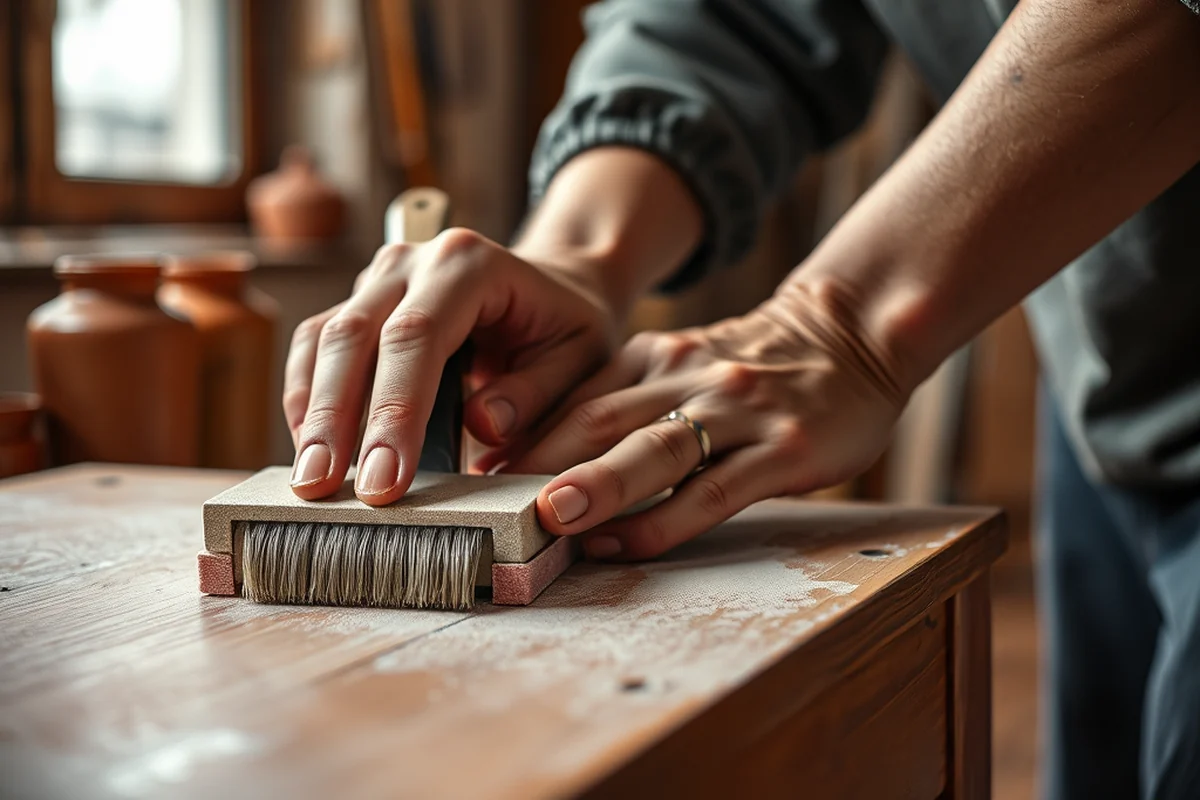
Every furniture element is made up of specific parts that must be identified and understood before assembly. The edges of a shelf, for instance, are where the brackets attach. The joints of a table frame are where the legs and supports connect. Knowing which parts you’re working with is essential to getting your project right the first time.
I’ve found that labeling each part as I go helps me avoid confusion. When I’m working on a shelf system, I’ll label each bracket and each support piece so I don’t mix them up. This small step can save you from a lot of frustration later.
It’s also important to note how each part interacts with the others. For example, the brackets on a shelf need to be level so the shelf sits evenly. If they’re not, the entire piece can be off-kilter and unstable.
Label your parts and know how they fit together.
Related: What s in metal polish
Related: What Is Element 115
Related: Is Gold An Element
The Role of Joints and Connections in an Element
Joints and connections are the unsung heroes of furniture construction. Whether it’s a mortise and tenon joint in a wooden frame or a simple screw connection between a bracket and a shelf, these joints are what hold everything together. Understanding which type of joint is needed for each element is key to building a durable piece.
I’ve built a few bookshelves over the years, and I’ve learned that using the right joint type can make a huge difference. For example, using a dowel joint for the shelf frame gives it more stability than just using screws. It’s these small details that make the difference between a flimsy build and a long-lasting one.
It’s also worth noting that some joints are better suited for certain materials. Metal brackets usually work best with screws, while wooden joints might require dowels or other reinforcement methods. Always consider the material you're working with when choosing your joints.
Always match your joint type to the material you're working with, whether it's wood, metal, or a combination of both.
“When I first started diving into DIY furniture, I found myself staring at a box of parts and feeling utterly lost.”— DIY Furniture with Metal Components editors
Related: Metal gear solid
How to Use Brackets and Supports in an Element
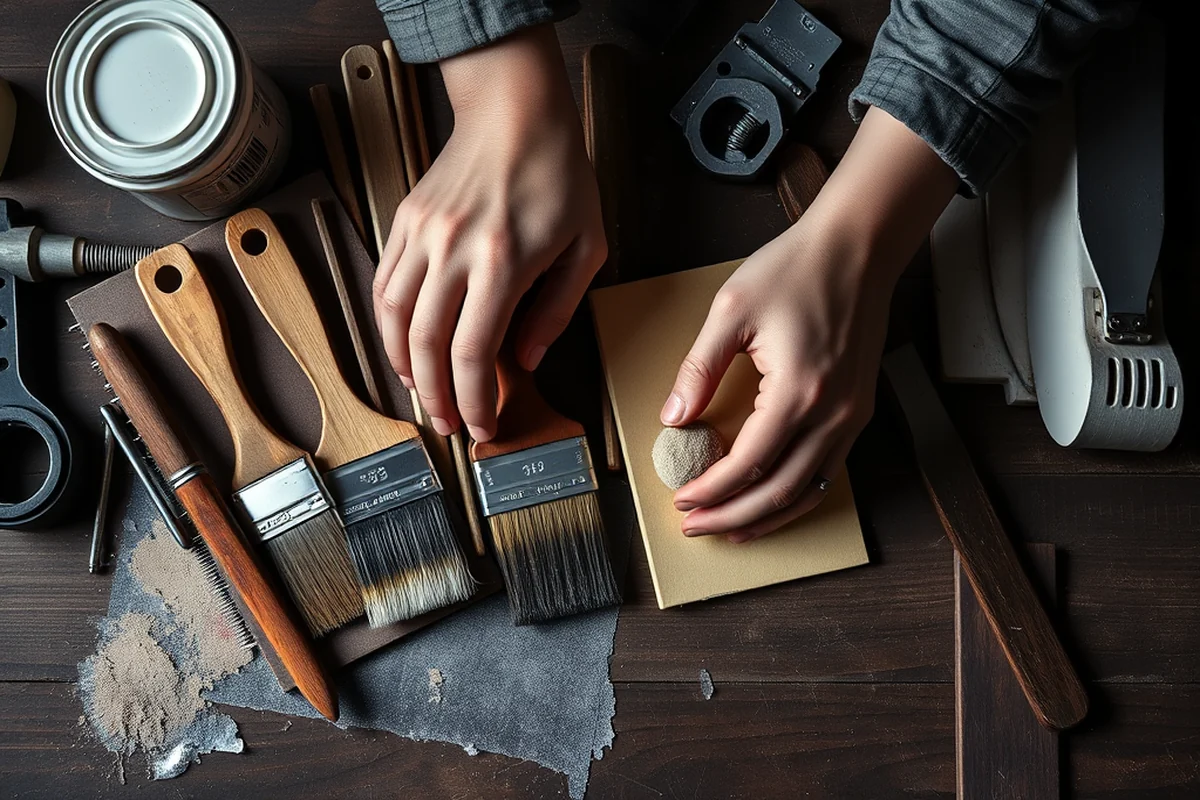
Brackets and supports are essential components of any furniture element. They are used to reinforce joints, provide additional stability, and help distribute weight evenly across the structure. Without them, even the most carefully constructed piece can be prone to warping or collapse.
I’ve found that using brackets on a shelf system is one of the best ways to ensure it’s sturdy. When I built my first modular shelving unit, I didn’t use any brackets and ended up with a wobbly, unstable piece. After adding brackets, the whole thing became much more stable and safe to use.
Supports, on the other hand, are often used in larger elements like tables or cabinets. They provide additional reinforcement and help keep the structure from sagging under heavy loads. It’s important to choose the right size and type of support for each element.
Related: Which elements are metals on the periodic table
Understanding the Different Types of Elements in Furniture
Furniture elements can be broadly categorized into structural elements and decorative elements. Structural elements like frames, legs, and supports are essential for the stability and function of the piece. Decorative elements, such as panels and trim, add aesthetic value but are not as critical to the structure.
I’ve built everything from simple bookshelves to complex cabinet systems, and I’ve learned that each type of furniture has its own unique set of elements. For example, a cabinet requires shelves, drawers, and supports, while a table needs a frame, legs, and possibly a tabletop.
Understanding the different types of elements is important because it helps you determine which parts you need for your project. Always start by identifying the main structural elements before moving on to the decorative ones.
Related: What is metal elements
How to Choose the Right Element for Your Project
Choosing the right element for your project is a crucial step in the building process. It involves considering the size, materials, and function of the piece you're building. For example, if you're building a shelf, you'll need to choose the right size and type of bracket to support the weight of your items.
I once built a small shelf unit using brackets that were too small for the weight I intended to place on it. The result was a wobbly, unstable piece that didn’t last long. After I replaced the brackets with larger ones, the shelf became much more stable and functional.
Always consider the materials you're working with when choosing your elements. For example, if you're using metal brackets, they may require different fasteners than wooden ones. Choosing the right element for your project ensures that your build is both functional and long-lasting.
Choose the right element for the right purpose.
Related: How is electronegativity on the periodic table
Common Mistakes When Working with Elements
Working with elements can be tricky if you're not careful. One of the most common mistakes I see is using the wrong type of joint for a particular element. For example, using a simple screw joint in a wooden frame that should have a mortise and tenon joint can lead to a weak, unstable structure.
I’ve also seen people fail to secure parts properly, leading to pieces that wobble or collapse under even slight pressure. It's important to always double-check that your joints and connections are properly tightened and reinforced.
Another mistake is ignoring the function of each component. For example, using a decorative element as a structural element can compromise the stability of your build. Always make sure you're using the right part for the right function.
💰 Budget Build
A simple, cost-effective build using basic elements and minimal tools.
📅 Weekend Version
A quick, easy project that can be completed in just a few hours.
✨ Upgraded Finish
Add extra polish and durability with premium materials and finishes.
🛋️ Small-Space Adaptation
A compact, space-saving build that’s perfect for smaller homes.
🏠 Rental-Safe Option
A build that can be easily disassembled and moved without damaging the space.
| The mistake | Why it happens | The fix |
|---|---|---|
| Using the wrong type of joint for a wooden frame | This can lead to a weak, unstable structure that may not hold up under pressure. | Always choose the right joint type for the material you're working with. For wooden frames, consider using mortise and tenon or dowel joints for added strength. |
| Not securing parts properly | This can result in a wobbly, unstable piece that may collapse under even light pressure. | Always double-check that your joints and connections are properly tightened and reinforced. Use brackets or supports where needed. |
| Ignoring the function of each component | Using a decorative element as a structural one can compromise the stability of your build. | Always ensure that each part is used for its intended function. Replace decorative elements with structural ones if needed. |
| Using brackets that are too small for the weight | This can lead to a wobbly, unstable shelf or table that may not hold up under heavy loads. | Choose the right size and type of bracket for your project. Larger brackets are generally better for heavier loads. |
What Is What On An Element
Common Questions
What is the difference between a structural element and a decorative element in furniture?
How do I choose the right type of joint for my project?
What are the most common mistakes when working with elements?
How can I ensure my build is stable and durable?
References
- 13 Indicators of Quality Child Care: Research Update - ASPE.hhs.gov (aspe.hhs.gov)
- Automating building element detection for deconstruction planning ... (sciencedirect.com)
Cite this guide
DIY Furniture with Metal Components (2026). What Is What On An Element. https://weldworknow.com/what-is-what-on-an-element/
Feel free to cite or share this guide.