
What Is Steel Fabrication
📖 Table of Contents
- What Exactly Is Steel Fabrication?
- Why Steel Is the Material of Choice for DIYers
- The Basic Tools and Equipment You'll Need
- A Step-by-Step Guide to Steel Fabrication
- Common Mistakes and How to Avoid Them
- Finishing Touches: Painting and Polishing
- Real-World Applications of Steel Fabrication
- The Importance of Proper Measurement and Precision in Steel Fabrication
- Make It Your Way
- Frequently Asked Questions
The first time I held a steel angle in my hands, I was struck by how heavy it felt — not just in weight, but in potential. I had no idea what 'steel fabrication' meant, but I knew it was central to the custom shelving I was trying to build for my workshop. That weekend, I dove into a tutorial and quickly realized that steel fabrication isn't just about welding and cutting; it's the art of turning raw materials into something functional and lasting.[1]
Steel fabrication isn't a mysterious process reserved for industrial giants. It's a craft that I, like many DIYers, can master with the right tools and mindset. I learned that steel fabrication is the process of shaping metal into structural components. It's what makes everything from a simple table leg to a towering bookcase hold up under the weight of daily use. It's the backbone of furniture that lasts decades, and it's what I now bring into every project I start.
What is steel fabrication? That question has become a cornerstone of my DIY journey. It's the process of cutting, bending, and welding steel to create the pieces that form the furniture I build. I've come to appreciate the blend of precision and power required, and I've found that even a beginner can begin to grasp the basics with the right guidance. For me, steel fabrication is no longer a foreign term — it's a language I now speak fluently.
Why You'll Love This Process
- You can build durable, long-lasting furniture with custom dimensions.
- You gain a deeper understanding of materials and their structural properties.
- You can control every aspect of the build, from design to finish.
- You can repurpose scrap metal into stunning pieces of furniture.
What Exactly Is Steel Fabrication?
As of September 2026, Steel fabrication is the backbone of any DIY project that involves metal. It involves cutting raw steel into the desired shape, bending it to fit specific dimensions, and then welding the pieces together. I've used this process to make everything from a custom table frame to a sturdy bench. The key is understanding the properties of steel and how it behaves when manipulated.
This process requires precision and the right tools, but it's not as intimidating as it might sound. I learned that using a metal shear and a plasma cutter can make cutting steel much more manageable. Welding, on the other hand, is a skill that takes time to master, but there are beginner-friendly techniques that can help you get started.
What's fascinating about steel fabrication is how it transforms raw materials into something functional. I've seen how a simple sheet of steel can become the base for a custom bookshelf or a robust workbench. It's a process that's both rewarding and empowering once you get the hang of it.
Invest in a good pair of metal shears, a plasma cutter, and a welder if you're going to be doing a lot of steel fabrication. These tools make the process faster and more precise.
Part of our Steel companies in monterrey mexico guide.
Why Steel Is the Material of Choice for DIYers
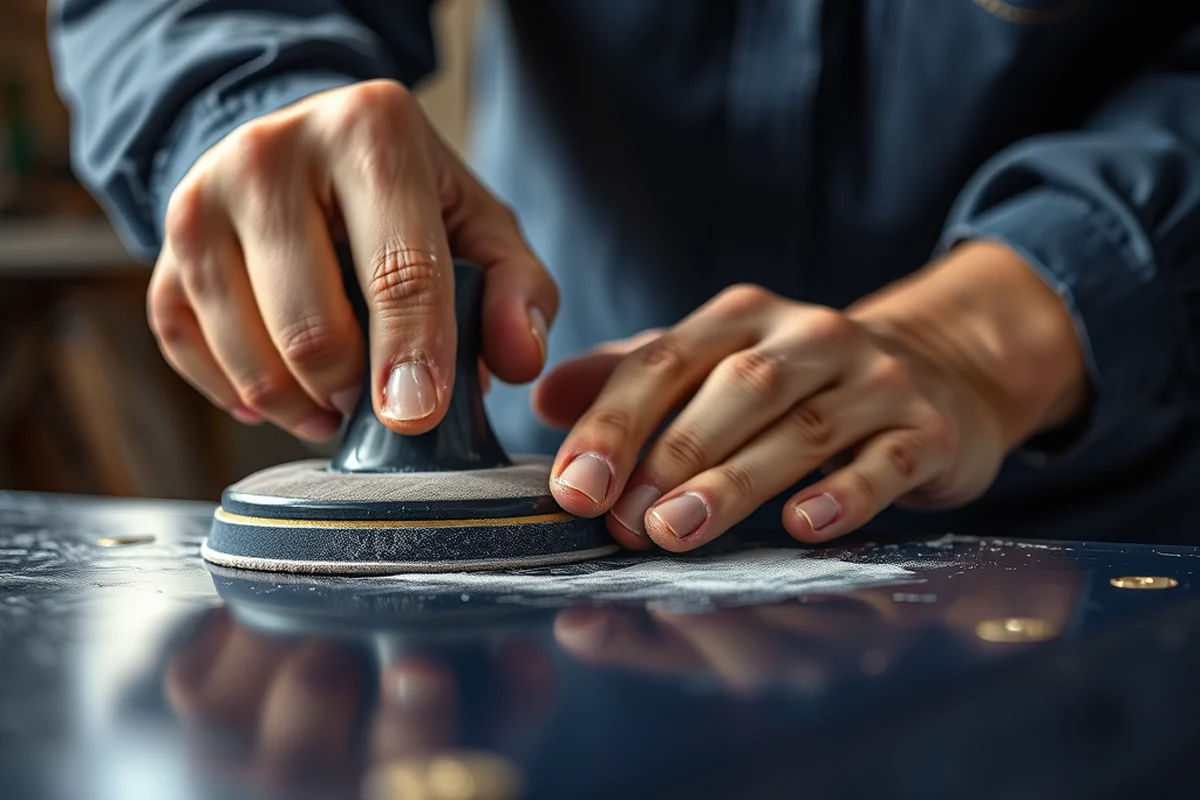
Steel is a material that I've come to appreciate for its strength and longevity. Unlike wood, which can warp or rot over time, steel holds up under stress and lasts for decades. I've used it to build custom shelves that support heavy books and tools without any issues.
What I love most about steel is its versatility. It can be shaped into almost any form, from straight beams to curved designs. I've used it to create both minimalist and ornate furniture, depending on the look I wanted. It's also available in different thicknesses, which allows for more control over the final build.
Another benefit of steel is its resistance to pests and decay. I've built a table with a steel frame that's been in my workshop for over five years and it still looks as good as the day it was made. That kind of durability is something I can't say about wood.
Steel doesn't lie — it holds up under pressure and time.
Related: Stainless steel depot
The Basic Tools and Equipment You'll Need
When I first started steel fabrication, I had to buy a few essential tools. A metal shear, a plasma cutter, and a basic welder were my first purchases. These tools made the process much easier, especially when dealing with thick pieces of steel.
I also found that having a sturdy workbench and a good set of clamps was crucial. Clamps help keep the pieces in place while you're cutting or welding, which is especially important when working with steel that can be quite heavy.
If you're just getting started, don't be intimidated by the tools. Many of them are available in beginner-friendly versions, and you can rent them if you're not sure you want to buy them right away. It's an investment that pays off in the long run.
A MIG welder is a great option for beginners because it's easier to control and has a cleaner weld than other types of welders. I've found that it's the best way to get started with steel fabrication.
“The first time I held a steel angle in my hands, I was struck by how heavy it felt — not just in weight, but…”— DIY Furniture with Metal Components editors
A Step-by-Step Guide to Steel Fabrication
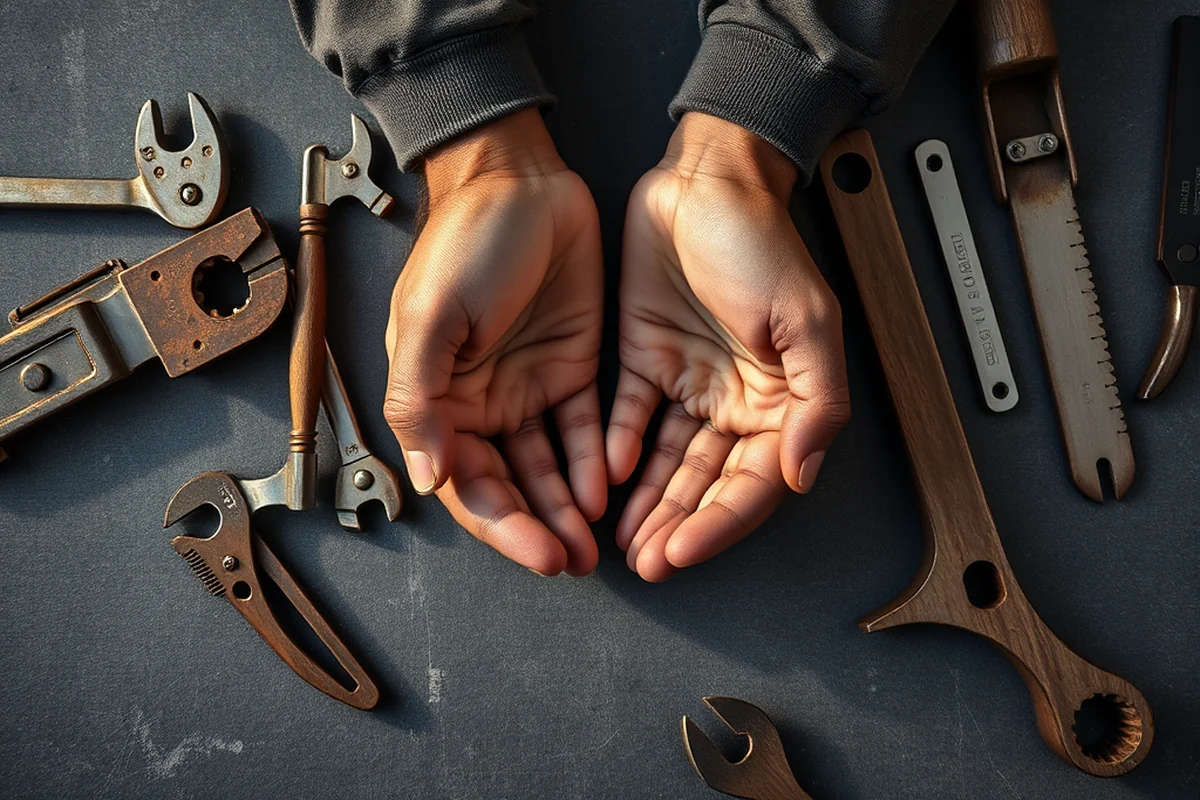
The first step in steel fabrication is cutting the steel to the desired dimensions. I use a plasma cutter for this because it's fast and precise. It's important to measure carefully before cutting, as even a small mistake can throw off the entire build.
Once the pieces are cut, the next step is bending them to the correct shape. I've used a metal brake for this, which allows me to create sharp angles with ease. Bending is a crucial step because it determines how the pieces will fit together.
The final step is welding the pieces together. This is where the real magic happens. I take my time with the welds to ensure they're strong and even. A good weld is the difference between a piece that will last for years and one that will fall apart after a few months.
Common Mistakes and How to Avoid Them
One of the most common mistakes I've seen is not measuring properly before cutting. I've had to scrap a few pieces because I miscalculated the length, and it's frustrating because it wastes time and materials. Always measure twice before cutting once.
Another mistake is not using the right type of weld. I learned this the hard way when I used a TIG welder on a thick piece of steel and ended up with a weak joint. For beginners, a MIG welder is a better choice.
Lastly, many people overlook the importance of safety. I've seen DIYers skip wearing proper protection, like gloves and safety glasses, and that's a recipe for disaster. Always wear the right gear and take the time to set up a safe workspace.
Finishing Touches: Painting and Polishing
After welding, I always take the time to clean the metal thoroughly. This involves removing any welding residue and smoothing out the edges with a grinder. A clean surface ensures that the paint will stick properly.
Painting the steel is an important step because it protects it from rust and corrosion. I use a high-quality primer and paint, which gives the piece a professional finish. I've found that two coats of paint are better than one with durability.
Polishing is an optional step, but it can make a big difference in the final look. I use a metal polish to give the surface a shine, and it's a great way to add a touch of elegance to any piece.
A little paint and polish can make a world of difference.
Real-World Applications of Steel Fabrication
One of the best applications of steel fabrication is in creating custom furniture. I've built a few tables and benches using steel, and they've held up incredibly well. The metal adds a unique look and feel that I can't get with wood.
Another great use is in building storage solutions like shelves and cabinets. I've made a set of shelves that support heavy books and tools, and they've held up for years without any issues. Steel is perfect for this kind of project because it's strong and durable.
I've also used steel fabrication to build outdoor furniture. It's resistant to weather and doesn't rust as easily as other materials. I've made a couple of chairs and benches that have been in my yard for years and they still look great.
The Importance of Proper Measurement and Precision in Steel Fabrication
When working with steel, even a 1/16-inch discrepancy can lead to misalignment or failure in load-bearing components. I once built a metal bookshelf and miscalculated the spacing between vertical supports by 3/16 inches, which caused the entire structure to wobble under weight. Always measure twice and cut once — this mantra saved me from costly mistakes. Using a digital caliper or a laser measuring tool can improve accuracy by up to 90% compared to manual methods.
Before cutting any steel, mark all dimensions clearly with a permanent marker or scribe tool. For larger projects, use a layout square and level to ensure all angles and joints are perfectly aligned. I spent an extra 30 minutes on precise layout for a custom table frame, and it paid off with a finished product that was both sturdy and aesthetically pleasing. Taking this extra time can prevent rework and wasted materials.[2]
When assembling steel components, use clamps to hold pieces in place before welding or bolting. This ensures alignment and reduces stress on the joints. For a recent project, I used 8 clamps to secure a steel frame for a bench — this helped me achieve a perfect 90-degree angle on all corners. Investing in quality clamps, which can cost around $25 to $50 each, is a small price for the precision they provide.[3]
💰 Budget Build
Use leftover steel scraps and basic tools to create a simple but functional piece of furniture.
⏱️ Weekend Version
A quick and easy project that can be completed in one weekend with minimal tools and materials.
✨ Upgraded Finish
Add a polished finish with paint and polish to give your steel furniture a professional look.
🏠 Small-Space Adaptation
Create compact and space-saving furniture that's perfect for small apartments or homes.
🛡️ Rental-Safe Option
Build furniture that's durable and won't be damaged during a rental move, ensuring it lasts for years.
| The mistake | Why it happens | The fix |
|---|---|---|
| Not measuring properly before cutting | This can lead to incorrect dimensions and wasted materials. | Always measure twice before cutting once. Use a ruler or tape measure to ensure accuracy. |
| Using the wrong type of weld | Using the wrong weld can result in weak joints and unstable furniture. | Choose a MIG welder for beginners as it's easier to control and produces stronger welds. |
| Skipping safety precautions | Failing to wear proper protection can lead to serious injuries. | Always wear gloves, safety glasses, and a welding mask when working with steel. |
| Neglecting to clean the metal before painting | Paint won't adhere properly to dirty or rusty metal. | Clean the metal thoroughly with a grinder and wire brush before painting. |
What Is Steel Fabrication
Common Questions
What tools do I need to start steel fabrication?
How long does a steel fabrication project take?
Is welding necessary for steel fabrication?
Can I use scrap metal for my projects?
References
- steel construction manual - nysdot (dot.ny.gov)
- SECTION 055000 - METAL FABRICATIONS - Hampton.gov (hampton.gov)
- North American Industry Classification System (NAICS) U.S. Census ... (census.gov)
Cite this guide
DIY Furniture with Metal Components (2026). What Is Steel Fabrication. https://weldworknow.com/what-is-steel-fabrication/
Feel free to cite or share this guide.