
How To Price Scrap Metal
📖 Table of Contents
- Understanding Ferrous vs. Non-Ferrous Metals
- The Impact of Weight and Purity
- How Market Trends Affect Pricing
- The Role of Scrapyards and Their Pricing Models
- How to Get the Best Price at the Yard
- Common Mistakes When Pricing Scrap Metal
- Final Tips for Pricing Scrap Metal
- Make It Your Way
- Frequently Asked Questions
The first time I sold scrap metal, I walked into a local yard with a pickup truck full of old iron and got a single-digit dollar per pound offer. I left frustrated, thinking I’d been ripped off, but I didn’t know the real value of what I had. Since then, I’ve learned the ins and outs of pricing scrap metal—what matters, what doesn’t, and how to maximize your returns. If you’re new to this, you’re not alone. The good news is that with a few tips, you can price your scrap metal like a pro and make smarter decisions next time.[1]
Pricing scrap metal is more than just a game of numbers—it’s a mix of context, timing, and knowledge. I’ve spent countless hours at scrapyards, talking to owners, watching the scale tick, and learning why some metals sell for more than others. The key is understanding the difference between ferrous and non-ferrous metals, how weight and purity affect your value, and what the market is paying at any given moment. If you’ve ever wondered why one yard will pay more than another for the same material, I’ll explain exactly why.
In this article, I’ll break down how to price scrap metal step by step, from sorting your materials to reading the market. I’ll tell you what I’ve learned through hands-on experience—like the time I sold 500 pounds of copper and made twice as much as I expected. I’ll share the exact tools I use, the best practices I’ve picked up, and the mistakes I’ve made along the way. Whether you’re a DIY enthusiast selling old scraps or someone new to this world, this guide will help you get a fair price for your materials.[2]
Why You'll Love This Guide
- Learn how to accurately price your scrap without being taken advantage of
- Understand the difference between ferrous and non-ferrous metals and their value
- Discover the best times to sell based on market trends
- Gain insider knowledge on how scrapyards determine pricing
Understanding Ferrous vs. Non-Ferrous Metals
As of September 2026, Ferrous metals are the most common type of scrap you'll find, and they include items like old cars, appliances, and construction debris. These materials are magnetic and are typically lower in value compared to non-ferrous metals. On the other hand, non-ferrous metals like copper, aluminum, and brass are not magnetic and are often in higher demand due to their use in electronics, construction, and manufacturing.
The key difference is that ferrous metals are generally cheaper because they're more abundant and easier to recycle. Non-ferrous metals, however, are more valuable due to their higher melting point and the fact that they are used in a variety of industries. I’ve noticed that yards often pay significantly more for a bucket of clean copper than for a similar amount of steel scrap.
When you're pricing scrap, it's important to sort your materials by type. If you mix ferrous and non-ferrous metals, you may not get the best price. I've learned the hard way that separating these materials before heading to the yard can make a big difference in the amount you make.
Use two separate containers or bags—one for ferrous and one for non-ferrous metals. This simple step can significantly increase the value you get at the yard.
The Impact of Weight and Purity

Weight is a key factor when pricing scrap metal, but it's not the only thing that matters. For example, a 500-pound pile of copper can be worth more than a 1,000-pound pile of steel if the copper is pure and the steel is mixed with other materials. Purity is crucial because impurities can lower the melting value and quality of the scrap.[3]
I've seen yards pay a premium for clean copper wire or aluminum cans that are free of contaminants like plastic or rubber. On the other hand, if your scrap is mixed with other materials, it may not be accepted or might be priced lower. It's always a good idea to clean your scrap as much as possible before selling.
To maximize your returns, take the time to separate and clean your scrap. This not only increases the value but also makes the process faster and more efficient for both you and the yard.
Clean, pure scrap sells for more—don’t let impurities lower your returns.
Related: What is metal recycling
Related: What'S The Price Of Scrap Metal
Related: Price Of Scrap Metal
Related: What Is Scrap Metal Recycling
How Market Trends Affect Pricing
Scrap metal prices can change rapidly based on factors like the economy, demand from industries, and global events. For example, during a housing boom, the price of steel might rise because of increased construction activity. Conversely, during economic downturns, prices can drop due to reduced demand.
I’ve noticed that prices for non-ferrous metals like copper tend to rise when there’s a surge in demand for electronics or renewable energy projects. On the other hand, prices may drop during periods of economic uncertainty when investment in these sectors slows down.
To make the most of your scrap, it's important to keep an eye on market trends. I often check online scrap metal price trackers or consult with local yard owners to get an idea of where the market is headed.
Use online scrap metal price tracking sites or contact local scrapyards to get updates on current market prices and trends.
“The first time I sold scrap metal, I walked into a local yard with a pickup truck full of old iron and got a single-digit…”— DIY Furniture with Metal Components editors
Related: Which brand steel is best for construction
The Role of Scrapyards and Their Pricing Models
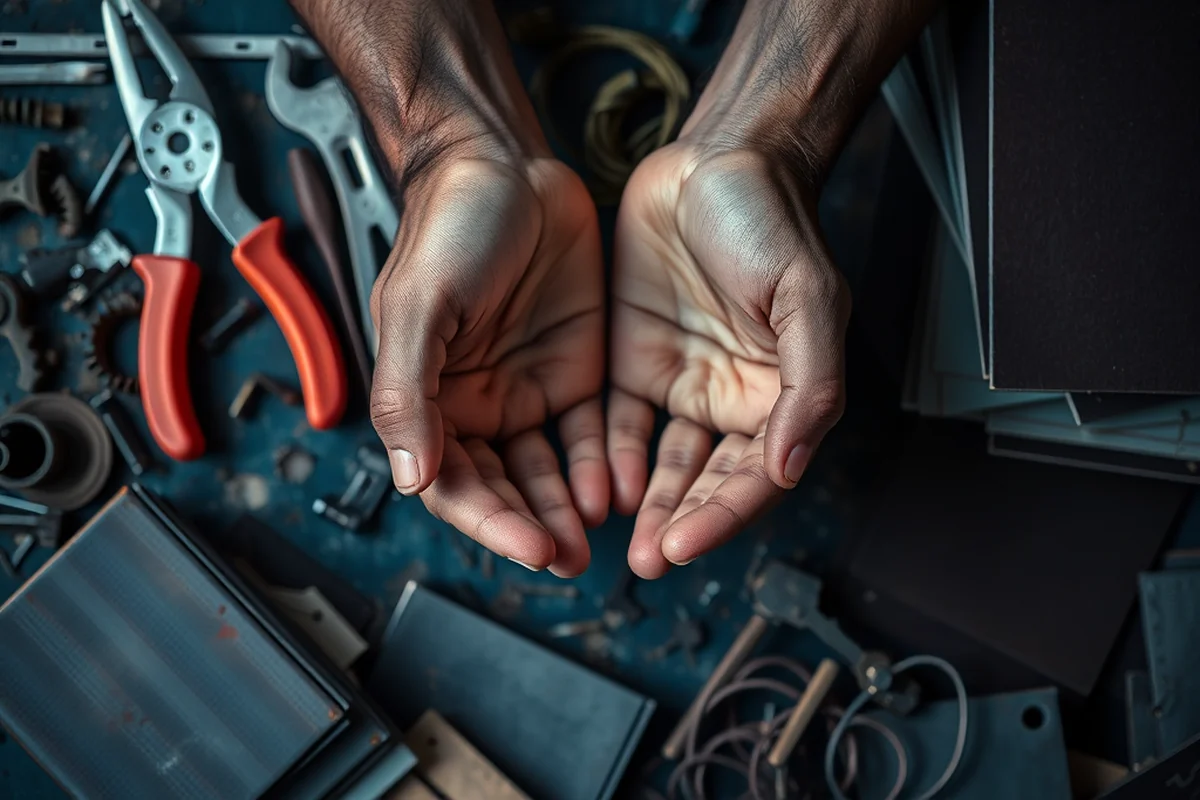
Scrapyards use a combination of factors to determine how much they’ll pay for your scrap. These factors include the type of metal, its weight, and how clean it is. They also consider their current inventory and market trends when setting their prices.
Some scrapyards may pay a flat rate per pound for certain metals, while others may offer tiered pricing based on the quality and quantity of the scrap. I’ve noticed that larger scrapyards often have more consistent pricing models than smaller ones, but the rates can vary widely.
If you’re selling scrap, it's a good idea to get multiple quotes from different scrapyards before selling. This can help you get the best possible price for your materials.
Related: Best metal components coimbatore
How to Get the Best Price at the Yard
Getting the best price at the yard starts with proper preparation. Sorting your materials into ferrous and non-ferrous categories is essential, as is cleaning them to remove any impurities or contaminants. This helps the yard process your scrap more efficiently and ensures you get a fair price.
I’ve found that weighing your scrap accurately is also important. Some scrapyards offer a free weighing service, while others charge a small fee. It's a good idea to ask ahead of time and compare prices if you’re selling to multiple yards.
Finally, research current market prices before heading to the yard. This will help you know what to expect and give you use if a yard is trying to offer you a lower price.[4]
Related: How to make an copper golem
Common Mistakes When Pricing Scrap Metal
Not sorting your scrap is one of the most common mistakes people make when selling scrap metal. Mixing ferrous and non-ferrous metals can lower the value of your materials and make it harder for the yard to process them efficiently.
Selling impure metals is another mistake that can significantly reduce your returns. If your scrap is mixed with other materials like plastic, rubber, or paint, the yard may not be able to use it as effectively, and you may get a lower price.
Not researching current market prices is also a common mistake. If you're unaware of what the market is paying, you may end up selling your scrap for less than it's worth. Always check current prices before heading to the yard.
Don’t mix your metals—sort them first and you'll see the difference in your returns.
Related: Best metal components
Final Tips for Pricing Scrap Metal
Staying informed about market trends is one of the best ways to ensure you get a fair price for your scrap. Whether it’s through online price trackers or talking to local yard owners, knowing the current market can help you make smarter decisions.
Sorting and cleaning your materials before selling is another key step. This not only helps the yard process your scrap more efficiently but also increases the value you can get for your materials.
Finally, always get multiple quotes from different scrapyards before selling. This gives you more use and ensures you’re getting the best possible price for your scrap.
📦 Budget Build: Sorting Scrap for Maximum Value
Learn how to sort and clean your scrap metal efficiently without spending a lot of money.
⏱️ Weekend Version: Quick and Easy Scrap Pricing
Get your scrap sorted and ready to sell in just one weekend with this simple guide.
✨ Upgraded Finish: Selling High-Value Scrap
Take your scrap pricing to the next level with this guide on maximizing value.
🏠 Small-Space Adaptation: Managing Scrap in Limited Space
Maximize your scrap sorting and storage space even in small areas.
🚚 Rental-Safe Option: Selling Scrap Without a Truck
Find ways to sell your scrap without needing a vehicle or large storage space.
| The mistake | Why it happens | The fix |
|---|---|---|
| Mixing ferrous and non-ferrous metals | Mixing metals can lower the value of your materials and make it harder for the yard to process them efficiently. | Sort your metals into separate containers before selling to ensure they’re processed correctly. |
| Selling impure or dirty scrap | Impurities like paint, plastic, or rubber can lower the value of your metals and make them less desirable to scrapyards. | Clean your scrap as much as possible before selling to increase its value. |
| Not researching market trends | Not knowing current market prices can lead to selling your scrap for less than it's worth. | Check online price trackers or consult with local scrapyards to stay informed about current prices. |
| Not weighing your scrap accurately | Inaccurate weighing can lead to lower payouts or disputes with the scrap yard. | Use a scale to weigh your scrap accurately and ensure the yard can process it correctly. |
| Not getting multiple quotes from scrapyards | Not getting quotes from multiple scrapyards can result in lower offers and fewer options for selling your scrap. | Contact multiple scrapyards before selling to ensure you're getting the best possible price. |
How To Price Scrap Metal
Common Questions
How do I know which metals are ferrous and which are non-ferrous?
What should I do if my scrap is dirty or has impurities?
How can I find the best price for my scrap metal?
What should I do if my scrap is mixed with other materials?
References
- U.S. Aluminum Manufacturing: Industry Trends and Sustainability (congress.gov)
- A Plan for Boosting Residential Material Recovery and Recycling in ... (adem.alabama.gov)
- PPI Updates Commodity Weight Allocations for the Final Demand ... (bls.gov)
- Economic Impact Analysis of Final Coke Ovens NESHAP Final Report (epa.gov)
Cite this guide
DIY Furniture with Metal Components (2026). How To Price Scrap Metal. https://weldworknow.com/how-to-price-scrap-metal/
Feel free to cite or share this guide.