
What Is Scrap Metal Recycling
📖 Table of Contents
- Understanding the Basics of Scrap Metal Recycling
- Environmental and Economic Benefits of Scrap Metal Recycling
- How to Find and Source Scrap Metal for Your Projects
- Preparing Scrap Metal for Use in DIY Projects
- Creative Uses for Scrap Metal in DIY and Furniture Making
- Tips for Working with Scrap Metal Safely
- The Long-Term Benefits of Incorporating Scrap Metal into Your DIY Projects
- Make It Your Way
- Frequently Asked Questions
I still remember the day I walked into a scrap yard with a rusted-out bed frame and a hammer in hand, unsure of what I was going to do with it. What I didn’t expect was how much potential lay in that scrap metal. Scrap metal recycling isn’t just about tossing old pieces into a bin; it’s about transforming them into something new and useful—something that can become part of your DIY furniture projects. If you’ve ever wondered what scrap metal recycling really means, this is your starting point.[1]
When I first started exploring DIY furniture with metal components, I was overwhelmed by the idea of sourcing materials. Scrap metal, to me, felt like a mystery. But the more I learned, the more I realized how accessible and valuable it could be. Scrap metal recycling is the process of collecting and reprocessing metal that’s no longer in use, turning it into raw materials that can be used again. This isn’t just about sustainability—it’s about unlocking a world of creative possibilities for your next project.
Now, I can’t imagine building furniture without considering scrap metal. Whether it’s finding a discarded car frame or a broken appliance, there’s always something that can be repurposed. Scrap metal recycling is more than an environmental practice; it’s a resourceful approach to DIY and furniture making that saves money, reduces waste, and adds a unique, industrial flair to your creations. This article will guide you through the process, the benefits, and the real-world applications of scrap metal recycling in the DIY and furniture world.
Why You'll Love This Approach to Scrap Metal Recycling
- It's a budget-friendly way to source unique and durable materials for your DIY projects.
- You can give new life to items that would otherwise be discarded, making your projects more sustainable.
- Scrap metal recycling allows for creative experimentation with textures, shapes, and finishes.
- It helps reduce the environmental impact of your DIY and furniture projects.
Understanding the Basics of Scrap Metal Recycling
As of October 2026, at its core, scrap metal recycling is about reusing metal materials that would otherwise go to waste. This includes everything from old car parts and discarded appliances to broken machinery and construction leftovers. By recycling these materials, you’re not only helping the environment but also giving yourself access to a wide range of affordable and durable components for your DIY and furniture projects.
The process begins with sorting different types of metal. Metals like steel, aluminum, copper, and iron are all commonly recycled. Sorting them ensures that they can be processed correctly and efficiently. Once sorted, the metals are melted down, purified, and turned into new raw materials that can be used in manufacturing or repurposed in creative ways.
I’ve used scrap metal for everything from making custom furniture legs to creating decorative wall art. The key is to understand the types of metal you’re working with and how they can be transformed. This not only gives your projects a unique character but also helps you reduce the environmental impact of your DIY endeavors.
A simple magnet can help you quickly sort ferrous metals (like iron and steel) from non-ferrous ones (like aluminum and copper). This is a time-saver and ensures you’re working with the right materials.
Environmental and Economic Benefits of Scrap Metal Recycling

Scrap metal recycling is one of the most environmentally friendly practices in the recycling industry. When you recycle metal, you’re saving energy and reducing the need for mining new raw materials. Recycling steel, for example, saves about 60% of the energy needed to produce new steel from iron ore. (50%, manchesterct.gov)[2]
From an economic standpoint, scrap metal recycling is a great way to cut costs. Instead of buying new materials, you can source scrap metal for a fraction of the price. I’ve saved hundreds of dollars on my DIY projects by finding free or low-cost scrap metal from local yards and demolition sites.
In addition to saving money, recycling metal helps reduce the amount of waste that ends up in landfills. This is a win-win for both your wallet and the planet. If you’re looking for a cost-effective and sustainable way to source materials for your DIY and furniture projects, scrap metal recycling is an excellent option.
Recycling metal is a win for both your wallet and the planet.
Related: Metal building components near me
How to Find and Source Scrap Metal for Your Projects
Finding scrap metal doesn’t require a lot of effort. Local scrapyards are often the best place to start. Many scrapyards will let you browse through their inventory and even allow you to take what you need for free or at a low cost. I’ve found some of the best materials for my DIY projects at scrapyards that were looking to clear out inventory.
Demolition sites are another great source of scrap metal. If you’re near a construction site or a building that’s being torn down, you may be able to get materials directly from the site. Just be sure to get permission and follow local regulations.
Online platforms like Facebook Marketplace and local classifieds are also useful for finding scrap metal. I’ve found unique pieces like old door frames and broken appliances that I’ve been able to repurpose into beautiful furniture. Always inspect the metal carefully to make sure it’s suitable for your project.
Before purchasing or taking scrap metal, make sure it’s not too rusty or damaged. If the metal is too corroded, it may be difficult to work with and may not hold up well in your projects.
“I still remember the day I walked into a scrap yard with a rusted-out bed frame and a hammer in hand, unsure of what I…”— DIY Furniture with Metal Components editors
Related: Metal building components for sale
Preparing Scrap Metal for Use in DIY Projects
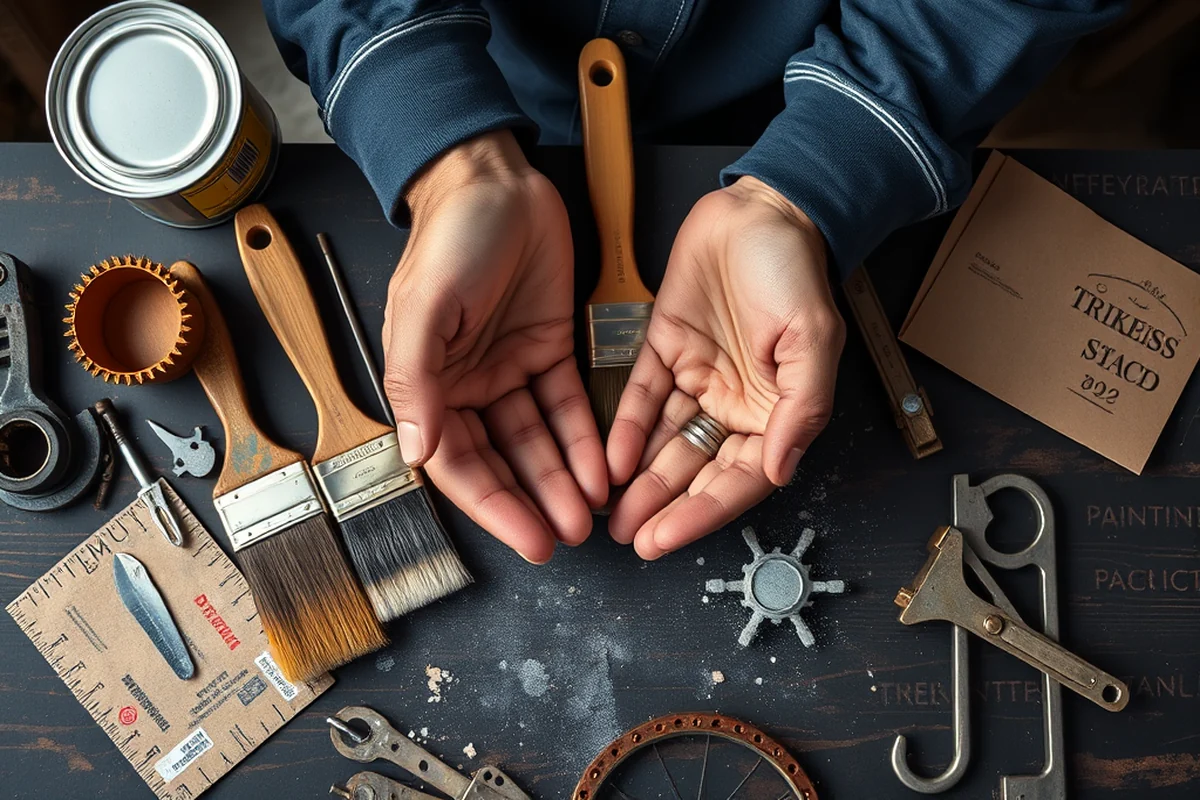
After you’ve found the right pieces of scrap metal, the next step is to clean them. This involves removing any dirt, rust, or debris that may be on the surface. I often use a wire brush or a power washer to clean metal before working with it. Cleaning ensures that your final project looks professional and lasts longer.
Sorting the metal by type and size is also important. Different types of metal may require different tools and techniques for working with. For example, steel is heavier and more durable, while aluminum is lighter and easier to shape. Sorting helps you organize your materials and plan your project more effectively.
Once the metal is cleaned and sorted, you can begin preparing it for use. This might involve cutting, welding, or shaping the metal to fit your design. I’ve found that using a metal saw or a grinder can help you get the precise cuts you need for your projects.
Related: Precision metal components export order israel
Creative Uses for Scrap Metal in DIY and Furniture Making
One of the most common uses for scrap metal is in creating furniture. I’ve made a number of tables and chairs using scrap metal, and the results have been impressive. The metal adds a unique, industrial look that’s hard to achieve with other materials.
Scrap metal is also great for making decorative pieces. I’ve used scrap metal to create wall art, sculptures, and even lighting fixtures. These pieces add a bold and modern touch to any room. The ability to weld and shape metal allows for a lot of creative freedom.
Another great use for scrap metal is in making custom hardware. I’ve made drawer pulls, door handles, and even decorative hinges using scrap metal. These pieces add a personalized touch to furniture and can be used in multiple projects.
Related: Metal 3d printing equipment
Tips for Working with Scrap Metal Safely
Safety should always be a top priority when working with scrap metal. Always wear protective gear like gloves, safety glasses, and a dust mask, especially when cutting or welding. I’ve found that using a respirator is especially important when working with older metal that may contain lead or other harmful materials.
It’s also important to work in a well-ventilated area, especially if you’re using a welding torch or a grinder. These tools can produce fumes that are harmful if inhaled. I always make sure to work outdoors or in a garage with proper ventilation.
When handling scrap metal, be careful of sharp edges and rust. I often use a file or a grinder to smooth out any sharp edges before working with the metal. This helps prevent injuries and makes your project safer to handle in the long run.
Safety first—protect yourself when working with scrap metal.
Related: Ironstone building materials
The Long-Term Benefits of Incorporating Scrap Metal into Your DIY Projects
One of the biggest long-term benefits of using scrap metal is cost savings. Instead of buying new materials, you can source scrap metal for a fraction of the price. This is especially helpful if you’re working on multiple projects or have a large DIY space.
In terms of sustainability, using scrap metal helps reduce the environmental impact of your projects. By reusing materials that would otherwise be discarded, you’re helping to reduce waste and conserve natural resources. I’ve found that this is one of the most rewarding aspects of working with scrap metal.
Finally, using scrap metal can add a unique and personal touch to your DIY projects. The ability to transform discarded materials into something new and functional is both creative and satisfying. Whether you’re building furniture or creating art, using scrap metal can help you create one-of-a-kind pieces that reflect your personality and style.
💰 Budget Build
Create a functional piece of furniture using free or low-cost scrap metal found at scrapyards or demolition sites.
⏰ Weekend Version
A quick and simple project that can be completed over the weekend with basic tools and materials.
✨ Upgraded Finish
Enhance your scrap metal project with a polished, professional finish using techniques like powder coating or welding.
🏠 Small-Space Adaptation
Design compact and space-saving furniture that makes the most of your scrap metal without taking up too much room.
🛠️ Rental-Safe Option
Create a lightweight and portable piece of furniture that’s safe to use in rented spaces without causing damage.
| The mistake | Why it happens | The fix |
|---|---|---|
| Not cleaning the metal before starting the project | Rust and debris can affect the quality of your final product and make it harder to work with. | Always clean the metal thoroughly before cutting, welding, or shaping it. |
| Using the wrong type of metal for your project | Some metals are too brittle or too soft to work with, which can lead to structural issues. | Research the best types of metal for your specific project and choose accordingly. |
| Neglecting safety precautions | Working with scrap metal can be dangerous if you don’t use the right safety gear. | Always wear protective gear like gloves, safety glasses, and a respirator when working with scrap metal. |
| Ignoring the weight of the metal | Some types of scrap metal can be very heavy, which can make them difficult to handle and transport. | Choose lightweight metals like aluminum or use tools that help reduce the weight, such as a dolly or cart. |
What Is Scrap Metal Recycling
Common Questions
What types of metal are best for DIY projects?
How do I clean scrap metal before using it?
Can I weld scrap metal?
Where can I find scrap metal for my projects?
References
- (PDF) Scrap Iron and Steel Recycling in Nigeria - Academia.edu (academia.edu)
- Recycle Town of Manchester (manchesterct.gov)
Cite this guide
DIY Furniture with Metal Components (2026). What Is Scrap Metal Recycling. https://weldworknow.com/what-is-scrap-metal-recycling/
Feel free to cite or share this guide.