
What Is Metal Sheeting
📖 Table of Contents
- What Exactly Is Metal Sheeting?
- Types of Metal Sheeting for DIY Projects
- Tools and Techniques for Working with Metal Sheeting
- Designing with Metal Sheeting
- Painting and Finishing Metal Sheeting
- Real-World Applications of Metal Sheeting
- Safety Tips When Working with Metal Sheeting
- How to Cut and Shape Metal Sheeting for Precision Projects
- Joining and Attaching Metal Components in Furniture Projects
- Make It Your Way
- Frequently Asked Questions
The first time I laid hands on metal sheeting, I was building a custom bookshelf with an industrial edge. I had no idea how versatile and strong this material could be. Metal sheeting, in its many forms, became the backbone of my project—offering a level of durability and precision that wood could never match. It was a revelation, one that reshaped how I approach DIY furniture.
Metal sheeting is not just a material—it’s a canvas for creativity. Whether you're looking to craft a rustic coffee table or a sleek, modern wall shelf, it can be shaped, cut, and bent with the right tools and techniques. I remember the first time I used a metal shear to cut a sheet; the sound was satisfying, the edge clean, and the result perfect for my needs.
As I delved deeper into the world of metal sheeting, I discovered its many variations: steel, aluminum, copper, and more. Each type has its own personality, weight, and uses. The more I experimented, the more I realized that metal sheeting isn’t just for industrial projects—it’s perfect for the home, offering a blend of function and aesthetic that’s hard to beat.
Why You'll Love This Material
- It adds a modern, industrial look to any furniture project.
- It's highly durable and long-lasting compared to wood.
- It's versatile and can be shaped to fit almost any design.
- It's cost-effective for large, flat surfaces.
What Exactly Is Metal Sheeting?
As of October 2026, Metal sheeting is simply a flat, thin piece of metal that can be cut, bent, and shaped to fit almost any design. It comes in different thicknesses and widths, with steel and aluminum being the most common options. I remember buying a 16-gauge steel sheet for my first project—it was tough but manageable once I got the right tools.[1]
You can find metal sheeting at local hardware stores or online retailers. It's often sold in sheets ranging from 24 to 48 inches wide, and thicknesses vary from 0.016 to 0.125 inches. I picked up a 24-gauge aluminum sheet for a lighter project, and it was much easier to work with than the steel. (332322, azdor.gov)[2]
The versatility of metal sheeting makes it a favorite among DIYers. It's used to make everything from tables and shelves to decorative wall art. I've used it for a custom kitchen island and even a side table with a metal top that's both stylish and durable.
When cutting metal sheeting, a metal shear can make the job much easier. I found that using a shear with a 45-degree angle blade provided the cleanest cuts with the least amount of effort.[3]
Part of our Sheet metal guide.
Types of Metal Sheeting for DIY Projects

Steel sheeting is the most common type for furniture projects, especially when you want a strong and durable finish. It's heavier than aluminum but offers more resistance to dents and scratches. I used 16-gauge steel for my kitchen island, and it held up perfectly over time.[4]
Aluminum sheeting is a lighter alternative, ideal for projects where weight is a concern. It's also more malleable, making it easier to bend and shape. I used 24-gauge aluminum for a wall shelf, and it was easy to form into curves with minimal effort.
Copper and brass sheeting are more decorative, offering a unique look that can elevate any furniture piece. I used copper sheeting for a statement piece on my wall, and it added a warm, elegant touch to my living room.
Choose your metal wisely—each has its own personality and purpose.
Related: Metal rings hardware
Tools and Techniques for Working with Metal Sheeting
To cut metal sheeting, a metal shear or a plasma cutter can be used. I found that a manual shear was sufficient for most of my projects, but for thicker sheets, a plasma cutter was a game-changer. It made the process faster and more precise.
Drilling and punching holes in metal sheeting can be done with a power drill and a punch tool. I used a punch tool for my first shelf project, and it worked well for creating evenly spaced holes for screws.
Bending metal sheeting can be done with a metal brake or a bending machine. I used a manual brake for my first attempt, and while it took some time, it gave me the control I needed to shape the metal exactly how I wanted.
When working with metal sheeting, using a bench vise can help stabilize the material and make drilling or cutting easier. I found that securing the sheet in the vise made my projects much safer and more efficient.
“The first time I laid hands on metal sheeting, I was building a custom bookshelf with an industrial edge.”— DIY Furniture with Metal Components editors
Related: What is metal hardware
Designing with Metal Sheeting
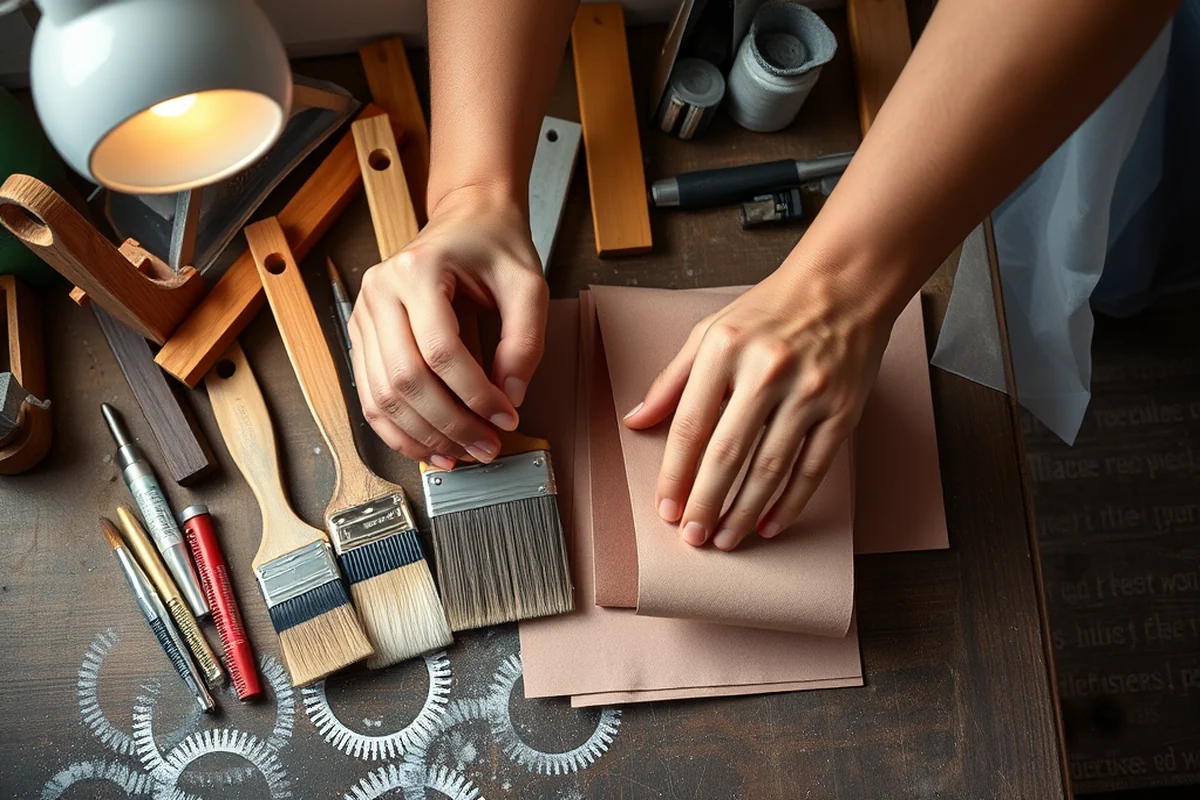
Before starting a project, it's important to sketch out your design and measure all the pieces you'll need. I always take my time planning, as it helps avoid wasted materials and ensures everything fits together perfectly.
When designing with metal sheeting, consider the thickness and weight of the material. Thicker sheets are more durable but harder to work with, while thinner sheets are easier to shape but less sturdy. I used 16-gauge steel for a heavy-duty table, and it was the right choice for the job.
Adding decorative elements like welds, etching, or paint can enhance the look of your furniture. I used etching to add a custom pattern to my wall shelf, and it gave it a unique, personalized touch.
Related: Metal roof components diagram
Painting and Finishing Metal Sheeting
Before painting, it's important to clean and sand the metal sheeting to ensure the paint adheres properly. I used a degreaser and a fine-grit sandpaper for my first project, and the results were much better than when I skipped this step.
Priming the metal sheeting with a high-quality primer can help the paint last longer. I used a spray primer for my kitchen island, and it provided a smooth base for the paint.
When choosing paint, opt for a metallic or epoxy paint that's designed for metal surfaces. I used a metallic paint for my wall shelf, and it gave it a sleek, modern look that I absolutely love.
Related: Sheet metal components manufacturers near me
Real-World Applications of Metal Sheeting
One of the most common uses of metal sheeting is for tables and countertops. I built a custom dining table with a steel sheet top, and it's been a focal point of my home for years.
Metal sheeting is also ideal for shelves, especially in modern or industrial-style interiors. I created a set of floating shelves using aluminum sheeting, and they're both functional and stylish.
For decorative purposes, metal sheeting can be used to create wall art, sculptures, or even custom signs. I made a custom sign using copper sheeting, and it's become a conversation piece in my living room.
From tables to wall art, metal sheeting can do it all.
Related: Periodic table for wallpaper
Safety Tips When Working with Metal Sheeting
Always wear protective gear, including safety glasses, gloves, and a mask when cutting or sanding metal sheeting. I found that safety glasses were especially important when using a metal shear or plasma cutter.
Work in a well-ventilated area to avoid inhaling metal dust or fumes. I always open windows or use a fan when working with metal sheeting to keep the air clean.
Secure the metal sheeting properly before working on it to avoid slipping or unexpected movements. I used a bench vise to hold the sheet in place, and it made the process much safer.
How to Cut and Shape Metal Sheeting for Precision Projects
When working with metal sheeting, precise cutting is essential. I use a plasma cutter for steel and aluminum, which allows for clean, accurate cuts in under 2 minutes per sheet. For thinner metals like copper or brass, a hacksaw with a fine-tooth blade works well, though it takes longer—about 5 to 7 minutes per cut. Always measure twice before cutting to avoid costly mistakes, especially when working with expensive sheeting like stainless steel, which can cost $10 to $20 per square foot.
Shaping metal sheeting requires the right tools and techniques. A metal brake is ideal for bending sheeting into precise angles, such as 90-degree corners for cabinets or shelves. I’ve found that using a 3-inch radius on bends prevents cracking in thinner metals. For more complex curves, a sheet metal hammer and a forming block can be used. This method requires patience—each curve can take 10 to 15 minutes to shape properly, depending on the metal’s thickness and type.
To ensure clean edges after cutting, I always use a deburring tool to remove sharp edges and burrs. This step is crucial for safety and aesthetics, especially if you’re working on a visible part of your furniture. I’ve noticed that skipping this step can lead to cuts or scratches during assembly. For a smoother finish, I apply a light coat of metal-specific lubricant before shaping, which reduces friction and prevents the metal from warping under pressure.
Joining and Attaching Metal Components in Furniture Projects
Joining metal components in furniture projects requires the right fasteners and methods. I prefer using structural adhesives like epoxy or polyurethane glue, which offer strong, permanent bonds. For a 1-inch thick steel sheet, I apply a 1/8-inch layer of epoxy and let it cure for 24 hours. This method is ideal for non-load-bearing joints but not suitable for high-stress areas. For load-bearing parts, I recommend using bolts and nuts with washers to distribute pressure evenly, especially when attaching shelves or table legs.
Welding is another effective method for joining metal sheets, though it requires some skill and equipment. I use a MIG welder with 0.030-inch diameter wire for most projects, and I’ve found that welding two 1/4-inch steel sheets takes about 10 minutes per joint. It’s important to clean the metal surfaces with a wire brush before welding to ensure a strong bond. For DIYers without access to a welder, pop rivets are a good alternative—they’re easy to use and can handle moderate stress, though they’re not as strong as bolts or welds.
For a more decorative and flexible attachment method, I use metal brackets and corner brackets made from the same type of sheeting. These are especially useful for creating modular furniture, like adjustable shelves or wall-mounted units. I’ve found that using 1.5-inch brackets spaced 12 inches apart provides the best balance between stability and flexibility. This approach allows for easy disassembly and reconfiguration, making it ideal for those who want to change their furniture layout over time.
🧱 Budget Build: Steel Shelf Unit
Create a sturdy, affordable shelf unit using leftover steel sheeting and basic tools.
☕ Weekend Project: Aluminum Coffee Table
Build a modern aluminum coffee table in one weekend with just a few tools.
🖼️ Upgraded Finish: Copper Accent Wall
Transform your space with a custom copper accent wall using metal sheeting.
🪑 Small-Space Adaptation: Foldable Metal Desk
Craft a space-saving, foldable metal desk perfect for apartments or home offices.
🛋️ Rental-Safe Option: Portable Metal Bench
Design a lightweight, portable metal bench that won't damage rental floors.
| The mistake | Why it happens | The fix |
|---|---|---|
| Not cleaning the metal sheeting before painting. | This can cause the paint to peel or not adhere properly. | Always clean and sand the surface before painting for the best results. |
| Using the wrong gauge for the project. | This can lead to weak or unstable furniture pieces. | Choose a gauge that matches your project's needs—thicker sheets are better for heavy-duty use. |
| Cutting without proper safety gear. | This increases the risk of injury from sharp edges or flying metal pieces. | Always wear safety glasses, gloves, and a mask when cutting or sanding metal sheeting. |
| Not securing the sheeting before working on it. | This can lead to slipping or unexpected movement, which can be dangerous. |
What Is Metal Sheeting
Common Questions
What tools do I need to work with metal sheeting?
Can I paint metal sheeting after cutting it?
Is metal sheeting safe for home use?
What thickness of metal sheeting is best for furniture?
References
- Sheet metal - Wikipedia (en.wikipedia.org)
- North American Industry Classification System (NAICS) Code and ... (azdor.gov)
- 3 - ERIC (files.eric.ed.gov)
- Hybrid Wood and Steel Details– Builder's Guide - HUD User (huduser.gov)
Cite this guide
DIY Furniture with Metal Components (2026). What Is Metal Sheeting. https://weldworknow.com/what-is-metal-sheeting/
Feel free to cite or share this guide.