
Sheet Metal

📖 Table of Contents
Sheet metal is a versatile and durable material that plays a crucial role in both DIY and furniture projects, offering strength, precision, and adaptability. Whether you're crafting custom furniture or building storage solutions, understanding sheet metal can improve your work from functional to exceptional. This guide covers everything you need to know about sheet metal, metal parts, metal garages, and hardware, with a focus on practical applications in the DIY and furniture world.[4]
From basic components like metal brackets and panels to advanced structures like custom metal furniture and garages, the world of sheet metal is both complex and rewarding. Many DIYers are unsure where to start, but with the right knowledge and tools, sheet metal can be transformed into nearly anything you imagine. This hub will help you handle the fundamentals and guide you to deeper resources for specific projects.[5]
Whether you're a beginner or a seasoned builder, this guide will provide the foundation you need to work confidently with sheet metal in your own projects. We’ll explore its properties, common uses, and key considerations, and then hand you off to more detailed guides on specific aspects like metal parts, garage designs, and hardware selection.
Key Takeaways
- Sheet metal is a strong, malleable material that can be shaped into various DIY and furniture components.
- Choosing the right metal part is essential for structural integrity and aesthetic appeal in any project.
- A well-designed metal garage offers both security and style, with a wide range of customizable options.
- Hardware selection is critical for both function and design, with many options available to suit different needs.
Sheet Metal
As of August 2026, Sheet metal comes in a variety of thicknesses and materials, including steel, aluminum, and copper. Each has its own unique properties—steel is strong and durable, aluminum is lightweight and corrosion-resistant, and copper offers a distinctive look and excellent conductivity. Sheet metal is often cut, bent, and welded to create everything from custom cabinets to metal sculptures.
In the DIY world, sheet metal is a go-to material for building storage solutions, such as shelves, tables, and tool racks. Its flat and uniform nature makes it ideal for precise measurements and clean, professional-looking results. A common thickness used in DIY projects is 0.0625 inches (1.6 mm), which is thick enough for strength but still easy to work with using basic tools like a metal shear or a CNC machine.[1]
For example, a popular DIY project involves building a custom metal bookshelf from sheet metal. Using a combination of welding and riveting, you can create a sturdy and modern-looking piece that can be finished with paint or metal plating for added durability and style.
In this guide:
In this guide:
In this guide:
In this guide:
In this guide:
In this guide:
Metal Part
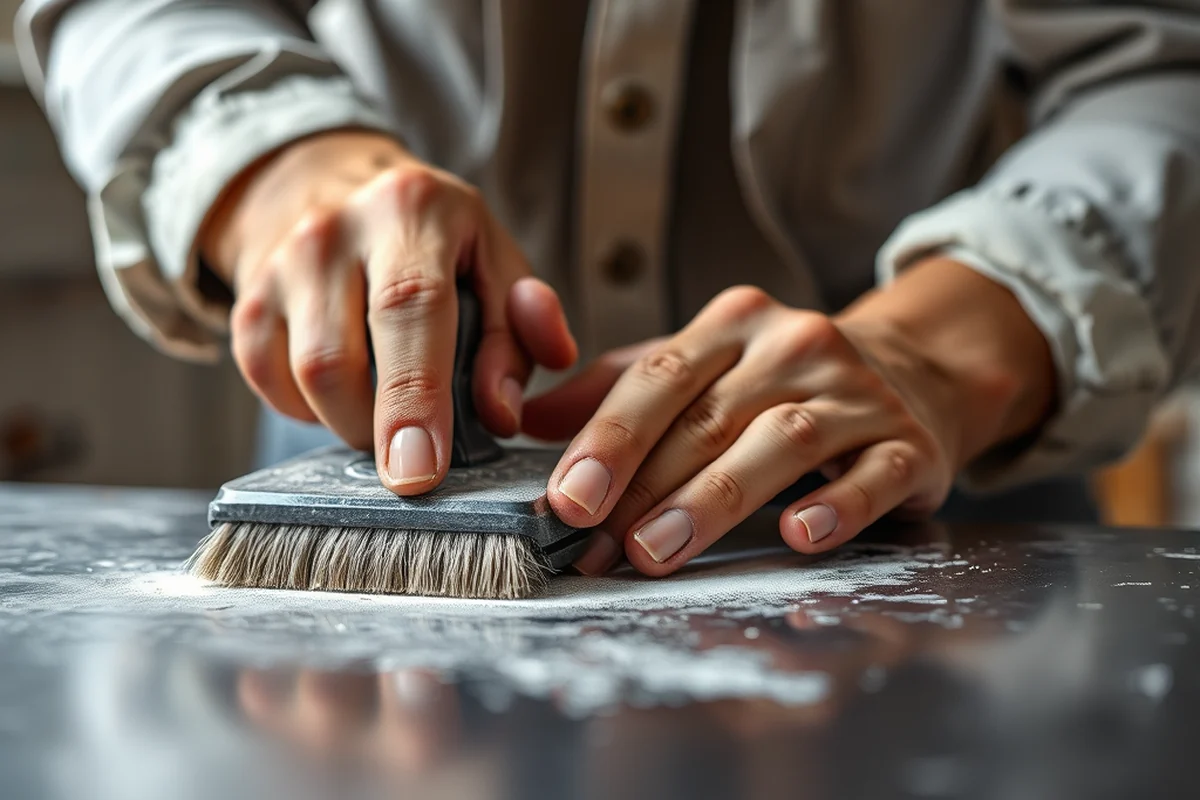
Metal parts are used in everything from hinges and brackets to decorative elements and structural supports. They are often fabricated using techniques like cutting, bending, and welding. The choice of metal part depends on the function it serves—brackets and supports may require stronger materials like steel, while decorative parts might use thinner, more attractive metals like aluminum or copper.
In furniture design, metal parts like legs, supports, and connectors are essential for both stability and style. For example, using metal legs with a wooden table can add a modern, industrial look while also increasing the table’s durability. A common mistake is using a metal part that is too thin for the weight it needs to support, leading to potential failure over time.
When selecting a metal part, consider the load it will bear, the environment it will be exposed to, and the overall design of the project. For instance, a garage door may require metal parts that can withstand heavy use and harsh weather conditions, while a decorative shelf might use thinner, more ornate metal pieces.
Related: More Diy Metal Ideas
Related: Diy Sheet Metal Table Top
Related: How To Antique Gold Metal
Related: Sheet Metal Component Costing Format
Related: Metal Jewelry Materials
Related: How To 3D Metal Printing
Related: Dragon Metal Sheet Osrs
Related: Sheet Metal Thickness Chart
Related: What 3D Printer Material
Related: Metal Roof Panels
Related: Sheet Metal For Bending
Related: Sheet Metal Fabrication Tools
Related: How Best To Glue Metal To Metal
Related: Commercial Metal Stud Framing
Related: Sheet Metal For Ductwork
Related: Periodic Table Poster Black And White
Related: What Is Steelcase Furniture
Metal Garage
Metal garages are a popular choice for DIYers and homeowners looking for a low-maintenance, long-lasting storage solution. They are typically made from galvanized steel, which resists rust and corrosion, making them ideal for outdoor use. These garages can be customized in size, shape, and design to fit any property and need.
One of the biggest advantages of a metal garage is its quick and easy assembly. Many kits come with pre-cut panels and hardware, allowing for a do-it-yourself installation that can be completed in a matter of days. For example, a 20x20-foot metal garage can be assembled by two people in about four days, depending on the complexity of the design.
Metal garages can also be upgraded with additional features like windows, doors, and insulation. Some homeowners even incorporate metal garages into their home’s exterior design, using matching color schemes and architectural styles to create a cohesive look.
“Sheet metal is a versatile and durable material that plays a crucial role in both DIY and furniture projects, offering strength, precision, and adaptabilit”— DIY Furniture with Metal Components editors
Hardware
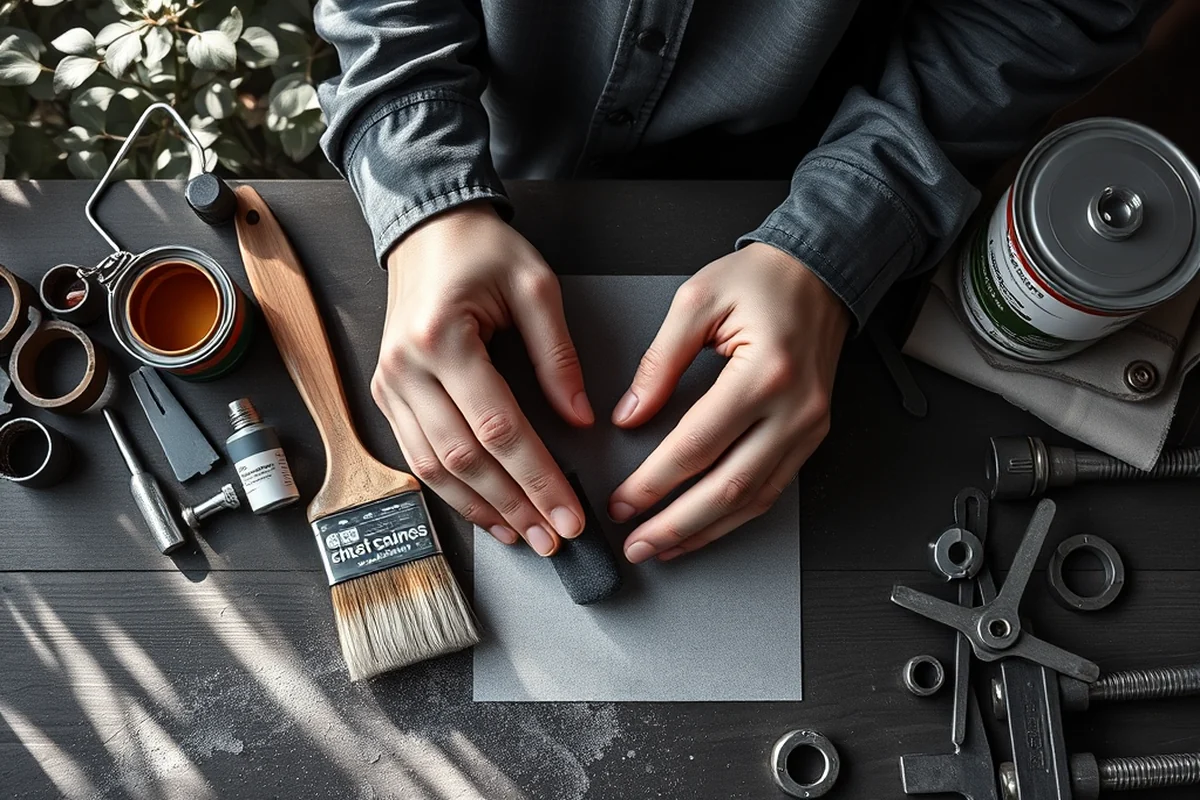
Hardware includes items like screws, nuts, bolts, hinges, and brackets, all of which are essential for assembling and stabilizing structures. The right hardware can make the difference between a project that holds together for years and one that falls apart after a few months. When selecting hardware, it's important to match the material and strength to the components you're using.
For example, using stainless steel screws in a metal garage ensures durability and resistance to rust, especially in humid or coastal environments. On the other hand, using regular steel screws in a humid area can lead to corrosion and weakening over time. Similarly, in furniture projects, using brass or nickel-plated hardware can add a decorative touch while also providing strong support.
Hardware choices also depend on the tools you have available. If you're working with sheet metal, you may need specialized tools like rivet guns or pneumatic nailers to securely fasten parts together. Always choose hardware that is compatible with your tools and the materials you're working with to avoid damage or failure.
Expert Tips and Advanced Techniques
For advanced sheet metal work, mastering techniques like bending, cutting, and welding is essential. Use a brake press for precise bends and ensure proper alignment to avoid warping. When working with thin gauge metals, always use a backing bar to prevent buckling during bending.
Advanced DIYers can explore techniques like forming curves with a rolling machine or using a plasma cutter for intricate designs. Always mark your workpieces thoroughly before cutting to ensure accuracy. Taking the time to properly prepare your metal—such as deburring edges and cleaning surfaces—will improve the overall finish and durability of your project.
To achieve professional results, consider practicing on scrap metal before working on your final pieces. Investing in quality tools and understanding the properties of different sheet metal types (like aluminum, steel, and copper) will significantly impact your success. Regular maintenance of your tools also ensures consistent performance over time.
Tools, Materials and Resources
Essential tools for sheet metal work include metal shears, hammers, anvils, and measuring tools like calipers and rulers. A good set of pliers, clamps, and a vise are also invaluable for holding pieces securely during shaping and assembly. Investing in a bench-mounted brake press can greatly enhance your ability to create precise bends.
Choosing the right materials is crucial—common options include steel, aluminum, and copper, each with unique properties that affect strength, weight, and workability. For furniture applications, consider using pre-finished metals or those with protective coatings to enhance durability and reduce corrosion.
For resources, explore online forums, YouTube tutorials, and DIY communities that focus on metalworking. Local hardware stores and specialty shops can also provide expert advice and access to high-quality tools and materials. Don’t forget to check out books and courses on advanced sheet metal techniques for deeper learning.[2]
Troubleshooting and Common Questions
One of the most common issues when working with sheet metal is inaccurate bending, which can lead to misaligned pieces. This often happens when the brake is not properly set or when the material is not clamped securely. Ensuring correct setup and using a brake with a clear marking system can help avoid this problem.
Cutting errors are also frequent, especially for beginners. Using the wrong blade or not securing the metal properly can result in jagged edges or incomplete cuts. Always use the appropriate shear blade for the thickness of the metal and ensure the material is firmly held in place during cutting.
Material warping, especially with thin sheets, can occur due to heat or improper handling. To prevent this, avoid excessive force when bending and use a backing anvil to distribute pressure evenly. If warping occurs, a hammer and anvil can be used to gently reshape the metal back to its original form.
Getting Started: Your First Steps
Before exploring sheet metal projects, gather essential tools such as a metal shear, tin snips, a metal ruler, a marking tool, and a vise. These tools will help you measure, cut, and shape sheet metal with greater precision.
Safety is crucial when working with sheet metal. Always wear protective gear, including safety glasses, gloves, and ear protection. Ensure your workspace is well-lit and free from clutter to prevent accidents.
Start with simple projects like making a metal shelf or a decorative panel. These projects will help you build confidence and develop essential skills such as cutting, bending, and soldering before moving on to more complex tasks.
🌱 Beginner
The simplest version — minimal supplies, quick win.
💰 Budget
Same result using what you already have.
⚡ Quick
The 10-minute version for busy days.
✨ Advanced
The upgraded version once the basics stick.
| The mistake | Why it happens | The fix |
|---|---|---|
| Using the wrong type of hardware for a sheet metal project. | Using inappropriate hardware can lead to structural failure, corrosion, or aesthetic issues. | Always match the hardware to the material and environment. For outdoor use, opt for stainless steel or galvanized hardware. |
| Overlooking the importance of metal thickness in DIY projects. | Thin metal can bend or break under stress, while overly thick metal may be difficult to work with and unnecessary for the project. | Select a metal thickness based on the project’s requirements. A common starting point for DIY projects is 0.0625 inches (1.6 mm). |
| Ignoring the need for proper insulation in a metal garage. | Metal is a conductor of heat and cold, so without insulation, a garage can become uncomfortable and energy inefficient. | Install insulation in the walls and ceiling of the garage, and consider using reflective insulation to help regulate temperature. |
Common Questions
What are common metal craft components used in DIY projects?
What is a 'metal part haircut'?
What are some metal garage ideas for DIYers?
What types of metal rings are used in hardware projects?
References
- (PDF) UNIT – IV SHEET METAL PROCESSES - Academia.edu (academia.edu)
- Tools of the Trade: Sheet Metal | Architect of the Capitol (aoc.gov)
- Occupation Finder: Sheet Metal Workers - Apprenticeship.gov (apprenticeship.gov)
- Sheet Metal Worker - The Apprentice School (as.edu)
- IPE 3210 (Metal Forming and Sheet Metal Working) - AUST (aust.edu)
Cite this guide
DIY Furniture with Metal Components (2026). Sheet Metal. https://weldworknow.com/sheet-metal/
Feel free to cite or share this guide.