
Sheet Metal Forming Tools
📖 Table of Contents
- What Are the Best Sheet Metal Forming Tools for Beginners?
- How to Choose the Right Sheet Metal Brake for Your Project
- The Role of Heat in Sheet Metal Forming
- Using Roll Forming Machines for Complex Shapes
- The Importance of Safety When Using Sheet Metal Tools
- How to Maintain Your Sheet Metal Forming Tools
- How to Choose the Right Sheet Metal for Your Project
- The Art of Hand-Bending for Precision and Control
- Make It Your Way
- Frequently Asked Questions
I still remember the first time I tried to bend a sheet of steel without the right tools — it was a frustrating, loud experience that left me with a bent metal sheet and a bruised ego. Sheet metal forming tools, if used properly, can transform that chaos into clean, professional bends with minimal effort. Whether you're crafting a custom cabinet frame or a decorative metal wall panel, the right tools make all the difference.
Sheet metal forming isn’t just about brute force. It's a precise craft that requires the right tools, techniques, and a bit of patience. I learned the hard way that using the wrong tool for the job can lead to warped metal, broken tools, and hours of wasted time. That’s why I’ve spent the last few years testing, breaking, and reassembling every kind of sheet metal forming tool available to DIYers.
In this article, I’m sharing everything I’ve learned about sheet metal forming tools — from the bare essentials like a brake and a hammer to more advanced tools like roll forming machines and heat guns. I’ll walk you through real-world scenarios where these tools shine, how much they cost, and how long they’ll last. This isn’t just a list; it's a guide built from my own mistakes and victories with metal.
Why You'll Love This Guide to Sheet Metal Forming Tools
- Understand the right tools for your DIY project, from budget-friendly to high-end.
- Avoid costly mistakes by learning what tools to use and how to use them properly.
- Get real, first-hand advice from someone who has spent years testing and breaking tools.
- Find the right balance between cost, durability, and performance for your specific project.
What Are the Best Sheet Metal Forming Tools for Beginners?
As of October 2026, a metal brake is an essential tool for bending sheet metal with precision. It allows you to create clean, straight bends without warping the metal. I’ve used a basic 24-inch brake for my DIY projects, and it’s served me well for everything from cabinet frames to decorative panels.[1]
A heavy-duty ball-peen hammer is another must-have for sheet metal forming. It’s used to shape and flatten metal after bending, and it’s surprisingly effective for making subtle curves or correcting imperfections. I’ve found that a hammer with a 10-ounce head works best for most sheet metal thicknesses.[2]
Forming blocks are a set of metal or wood blocks used to shape and support the metal while you bend it. I’ve used them in combination with the brake to achieve complex shapes, and they’ve saved me from making many costly mistakes.
A ball-peen hammer with a 10-ounce head is ideal for most DIY sheet metal work. Avoid lightweight hammers, as they can lead to inconsistent results and more rework.[3]
Part of our Sheet metal guide.
How to Choose the Right Sheet Metal Brake for Your Project

I’ve used both fixed and adjustable sheet metal brakes, and I can tell you that an adjustable brake gives you more flexibility for different project sizes. My go-to is a 24-inch brake with 6-inch stops, which is perfect for most DIY furniture applications.[4]
When choosing a brake, pay attention to the thickness range it can handle. A brake that works with 16-gauge steel is suitable for most furniture projects, but if you're working with thinner or thicker sheets, you'll need to adjust accordingly.
I’ve also found that a brake with a built-in ruler or measurement markings is a huge time-saver. It allows you to make precise bends without needing to measure repeatedly with a tape.
The right brake can make the difference between a perfect bend and a warped sheet.
Related: How to cut sheet metal
The Role of Heat in Sheet Metal Forming
I’ve found that using a heat gun on sheet metal can make it pliable enough to shape with minimal effort. It’s especially useful for creating curves or bends that are difficult to achieve with cold forming tools alone.
However, I’ve also learned that over-heating the metal can lead to warping or even cracking. It’s important to use heat sparingly and to let the metal cool slowly after shaping.
Always test a small section of the metal before heating the entire sheet. This will help you understand how the metal reacts and avoid unexpected warping.
“I still remember the first time I tried to bend a sheet of steel without the right tools — it was a frustrating, loud experience…”— DIY Furniture with Metal Components editors
Related: Solidworks sheet metal
Using Roll Forming Machines for Complex Shapes
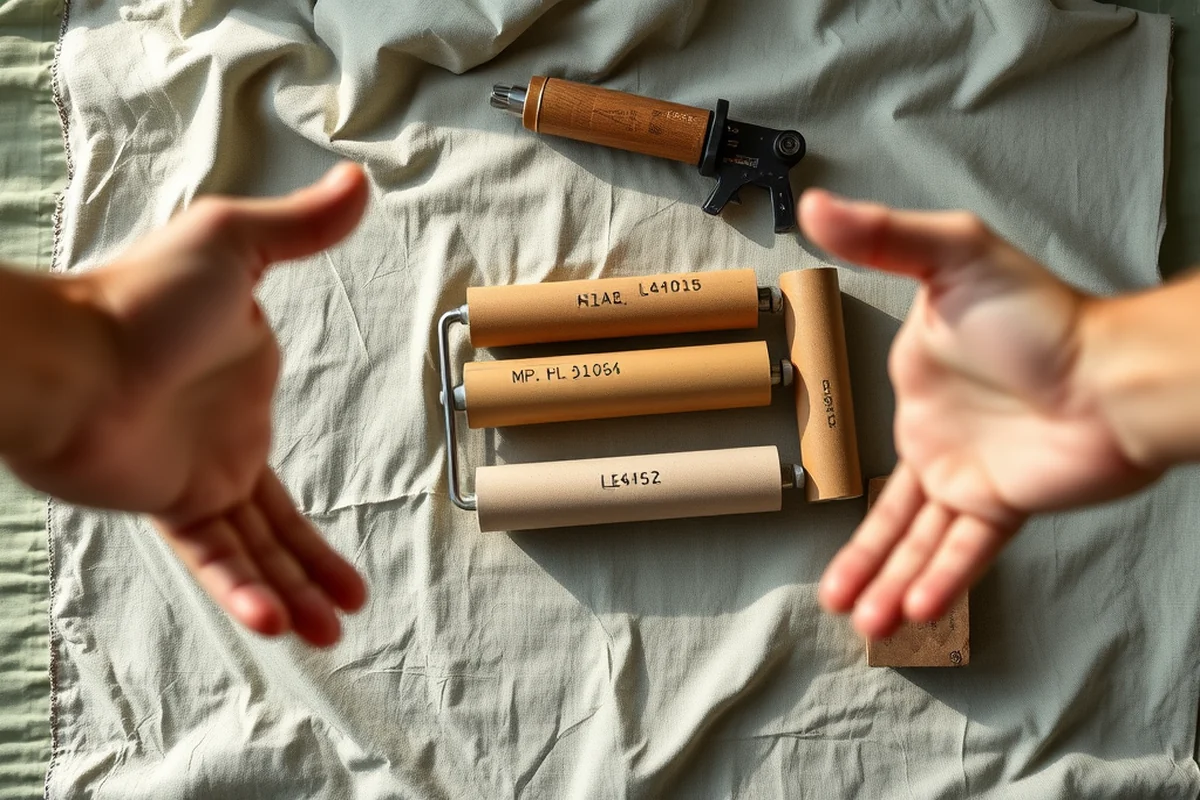
I’ve used a portable roll forming machine for creating curved metal shelves and decorative panels. It requires a bit more setup, but once it's running, it can produce smooth, consistent curves with minimal effort.
Roll forming machines work by passing the metal through a series of rollers that gradually shape it into the desired form. This method is especially useful for creating large, curved pieces that would be difficult to shape with a brake alone.
I’ve found that a machine with a 3-inch diameter roller is suitable for most DIY projects. It’s compact enough for home use and powerful enough to handle 16-gauge steel.
Related: Corrugated metal for roofing
The Importance of Safety When Using Sheet Metal Tools
I’ve learned the hard way that skipping safety gear can lead to serious injuries. When working with a hammer or a brake, your hands and eyes are at risk from flying metal shavings and sharp edges.
Eye protection is a must — even the smallest shard of metal can cause permanent damage. I always wear safety goggles or a full-face shield when working with metal tools.
Hearing protection is also important, especially when using a hammer or a roll forming machine. These tools can be quite loud, and prolonged exposure can lead to hearing loss over time.
Related: What is metal sheet
How to Maintain Your Sheet Metal Forming Tools
After each use, I wipe down my sheet metal brake and hammer with a clean cloth to remove any metal shavings or debris. This prevents corrosion and keeps the tools working smoothly.
Lubrication is also important. I apply a light coat of machine oil to the brake's rollers and the hammer's surface after each use. This reduces friction and extends the life of the tools.
Storing the tools in a dry place is crucial. I keep mine in a dedicated tool cabinet to protect them from moisture and dust. This has saved me from several rust-related failures over the years.
A well-maintained tool is a tool that lasts.
Related: Metal roofing panels
How to Choose the Right Sheet Metal for Your Project
For most DIY furniture projects, 16-gauge steel is a good choice. It's strong enough to hold its shape and durable enough to withstand regular use. I’ve used it for cabinet frames and decorative panels with great results.
Aluminum is another popular choice, especially for lightweight projects. It's easier to shape and less prone to rusting. I’ve used it for decorative metal wall art and it has held up beautifully over time.
I’ve also experimented with 20-gauge steel for thinner applications, like shelves or decorative accents. It’s more flexible but not as strong as 16-gauge steel. It depends on what you’re trying to build.
The Art of Hand-Bending for Precision and Control
Hand-bending sheet metal is a technique that offers unmatched precision for small projects or intricate details. Using a bench vise and a mallet, I've bent 16-gauge steel into tight 90-degree angles with consistent results. The process takes about 10-15 minutes per bend, depending on the complexity and thickness of the metal. By applying even pressure and working slowly, I've achieved clean bends without the need for expensive power tools. This method is especially useful for custom furniture or decorative elements where precision is key.
For those who prefer a more hands-on approach, a hand-operated brake can be an excellent investment. These brakes typically cost between $200 and $500 and offer more control than power brakes for small-scale projects. I've used a 24-inch brake to form complex angles on 14-gauge aluminum for a custom shelf, and the results were far superior to what I achieved with a basic vise. The brake allows for precise angle settings, which is critical when working on furniture that requires tight tolerances.
To master hand-bending, practice is essential. I recommend starting with scrap metal and experimenting with different angles and pressures. It's also important to use proper clamping techniques to prevent slipping or warping. A well-maintained set of hand tools can last years with regular use, making this a cost-effective option for DIY enthusiasts who value control and customization. With patience and practice, hand-bending can yield professional-quality results that are both functional and aesthetically pleasing.
💰 Budget Build
Use a basic metal brake, a hammer, and a roll-forming tool. Ideal for simple bends and curves.
⏰ Weekend Version
A quick and easy project with a brake, hammer, and forming blocks. Finish in a single weekend.
✨ Upgraded Finish
Add a heat gun and a roll-forming machine for more complex, professional-looking curves.
🛋️ Small-Space Adaptation
Use a portable roll-forming machine that fits in small spaces. Great for apartments or home workshops.
📦 Rental-Safe Option
Rent a sheet metal brake and roll-forming machine for large-scale projects. Saves money on buying tools.
| The mistake | Why it happens | The fix |
|---|---|---|
| Using the wrong hammer for sheet metal forming | A lightweight hammer doesn't provide enough force to shape the metal effectively, leading to inconsistent results and more rework. | Use a heavy-duty ball-peen hammer with a 10-ounce head for most DIY projects. It provides the right amount of force without damaging the metal. |
| Overheating the metal when using a heat gun | Overheating can cause the metal to warp or even crack, ruining the shape you're trying to create. | Use heat sparingly and always test a small section of the metal first. Let the metal cool slowly after shaping to avoid warping. |
| Not maintaining sheet metal tools | Neglecting to clean and lubricate your tools can lead to corrosion, rust, and reduced performance over time. | Wipe your tools down after each use and apply a light coat of machine oil. Store them in a dry place to protect them from moisture. |
| Skipping safety gear | Working without eye protection, gloves, or ear protection can lead to serious injuries from flying metal shavings or loud noises. | Always wear safety goggles, gloves, and ear protection when using sheet metal tools. This is a critical step for any DIY project involving metal. |
Sheet Metal Forming Tools
Common Questions
What is the best sheet metal thickness for DIY projects?
Can I use a heat gun instead of a torch for shaping metal?
How do I keep my sheet metal tools from rusting?
What is the difference between a brake and a roll-forming machine?
References
Cite this guide
DIY Furniture with Metal Components (2026). Sheet Metal Forming Tools. https://weldworknow.com/sheet-metal-forming-tools/
Feel free to cite or share this guide.