
What Is Metal Forming
📖 Table of Contents
- What Is Metal Forming and Why It Matters in DIY
- The Basics of Metal Forming Techniques
- Choosing the Right Metal for Your Project
- Tools and Equipment You’ll Need
- The Benefits of Custom Metal Forming
- Common Challenges and How to Overcome Them
- Safety Tips for Metal Forming
- Make It Your Way
- Frequently Asked Questions
I still remember the first time I bent a piece of steel by hand. It wasn’t pretty — it was a jagged, uncooperative mess that left me questioning whether I had the right tools, the right mindset, or even the right materials. But as I learned more about metal forming, I realized it wasn’t about brute force or expensive equipment. It was about understanding the language of metal, its behavior under pressure, and how to coax it into the shape I wanted. That’s what metal forming is: the art and science of shaping metal into something useful, whether it’s a custom table leg, a structural frame, or even a decorative element for your home.[1]
Metal forming is not just for industrial factories or professional welders. It’s a skill that any DIYer can pick up with the right tools, knowledge, and patience. I’ve spent the last year experimenting with various metals — from thin-gauge steel to thick aluminum — and each has its own quirks and strengths. What I’ve learned is that forming metal is less about breaking it and more about working with it. You don’t need a degree in metallurgy to start. You do need to understand a few key principles, like the difference between cold and hot forming, the types of tools that exist, and how to avoid warping or cracking your work.
If you’re new to DIY furniture and are curious about what metal forming is, you’re in the right place. I’ll walk you through the basics, the tools you’ll need, and the techniques that have worked for me. Whether you’re building a custom bookshelf with metal braces or reinforcing a wooden frame with steel, this article will help you understand the process from start to finish. Metal forming is a powerful tool in your DIY arsenal — and it’s time you learned how to use it.
Why You'll Love This ...
- You can shape metal without expensive equipment or industrial tools.
- You'll gain the ability to customize furniture with unique, handmade details.
- It's a versatile skill that can be applied to a wide range of DIY projects.
- You'll learn how to avoid common pitfalls that lead to warped or broken pieces.
What Is Metal Forming and Why It Matters in DIY
As of October 2026, at its core, metal forming is the act of bending, rolling, or pressing metal into a desired shape. This technique is used in everything from furniture to automotive parts, and it’s a critical skill for any DIYer who wants to create custom or reinforced pieces. Whether you're working with steel, aluminum, or copper, forming allows you to create curves, angles, and even complex shapes that would be impossible to achieve with traditional cutting or welding methods.[2]
In DIY furniture, metal forming is especially useful when you need to create structural elements that are both strong and aesthetically pleasing. For instance, I used metal forming to create a curved frame for a side table, and it transformed the design from simple to elegant. The process requires a basic understanding of metal properties, but it’s far more accessible than many people think.
One of the most important things to understand about metal forming is that it works best with certain types of metal. I've found that thin-gauge steel bends easily with the right tools, while thicker sheets require more power and heat. The key is to match your material to the technique and tools you have.
For beginners, a hand-held metal bender and a pair of pliers are all you need to get started. These tools are affordable and allow you to experiment without investing in heavy machinery.
Part of our Metal elements guide.
The Basics of Metal Forming Techniques
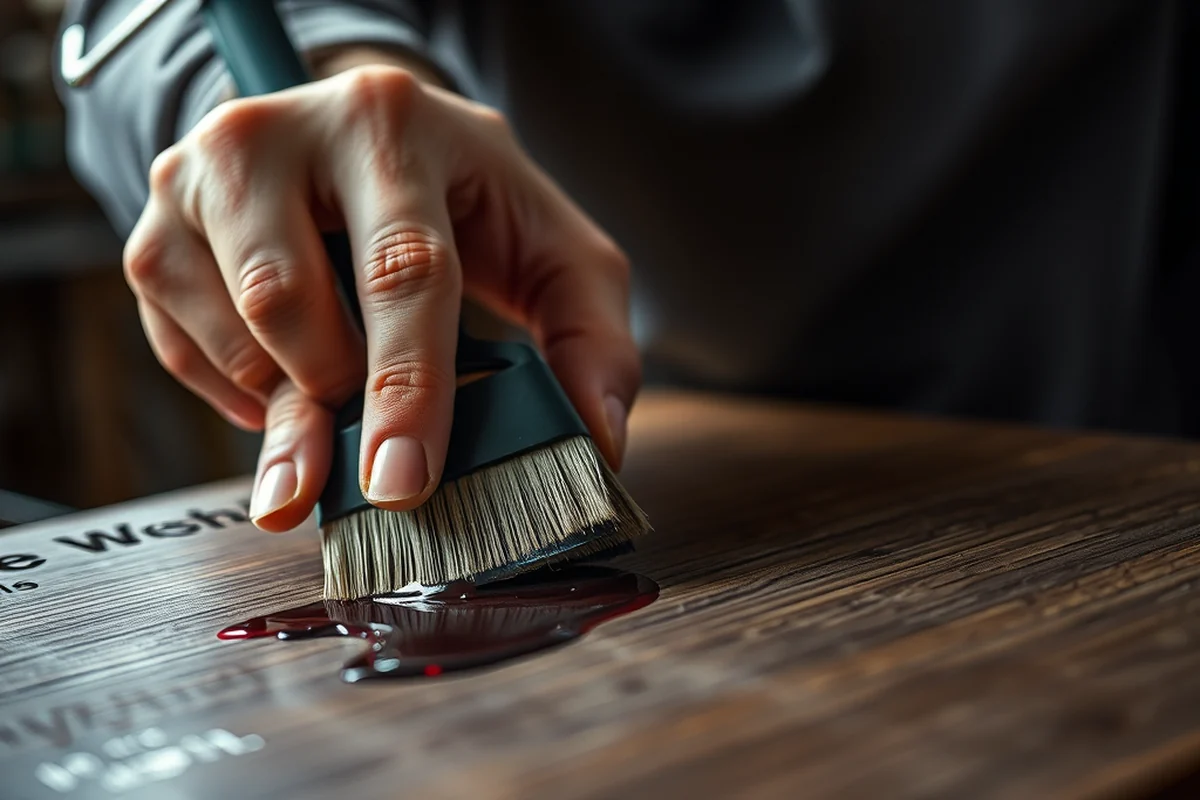
There are a few main techniques for metal forming, each with its own strengths and applications. Bending is the most straightforward method, using tools like a bench vise or a hand-held bender to create angles and curves. Rolling is used for creating cylindrical or curved shapes, often with a rolling machine or even a homemade setup using a pipe and a piece of wood.
Pressing is another method, typically used with a hydraulic press or a manual press. I’ve used this technique to create decorative metal panels for a bookshelf, and the results were stunning. The pressing process allows for more intricate shapes and patterns, but it requires more equipment and space.
Each of these techniques has its own learning curve, but they're all accessible to DIYers who are willing to experiment. I started with bending and rolled from there, and I found that with practice, I could achieve professional-looking results without a lot of money or space.
Bending and rolling are the foundation of metal forming — and they’re where most DIYers begin.
Related: The periodic table quiz
Choosing the Right Metal for Your Project
With metal forming, the type of material you choose can make all the difference in the outcome. I've experimented with steel, aluminum, and even copper, and each has its own unique properties. Thin-gauge steel is a great option for beginners because it’s relatively easy to bend and holds its shape well. Aluminum, on the other hand, is lighter and more flexible but can be more prone to warping.
Copper is a fun material for decorative projects, but it’s more expensive and harder to work with unless you have the right tools. I’ve also found that galvanized steel is a good choice for outdoor furniture because it’s more resistant to rust. The key is to match the metal to the project you have in mind and the tools you have available.
In my experience, starting with thin-gauge steel has been the most effective way to learn the basics of metal forming. It’s affordable, easy to find, and gives you a good sense of how metal behaves under pressure. Once you’ve mastered the basics, you can move on to other materials and more complex projects.
Before investing in large quantities of metal, buy small samples and test them with your tools. This helps you understand how each material behaves under pressure and heat.
“I still remember the first time I bent a piece of steel by hand.”— DIY Furniture with Metal Components editors
Related: The periodic table
Tools and Equipment You’ll Need
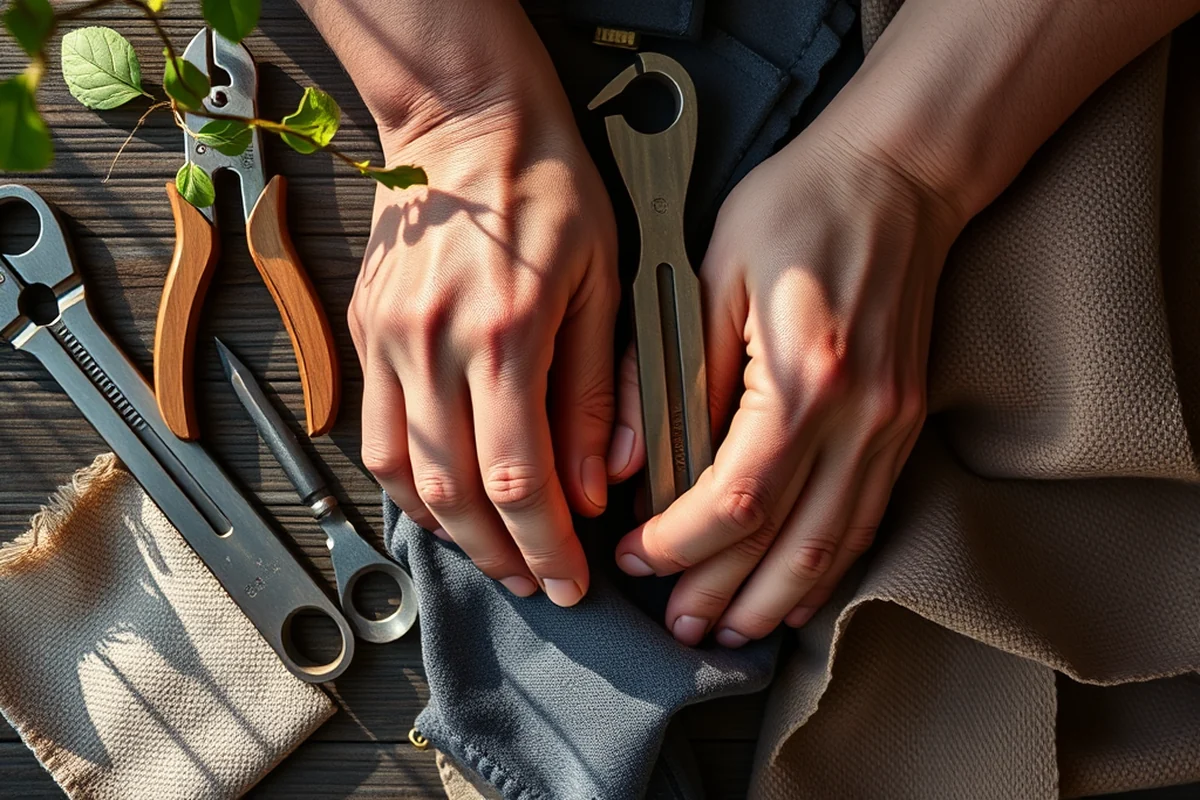
To get started with metal forming, you don’t need an industrial workshop — just a few basic tools will do. A bench vise is essential for holding your metal in place while you work, and a pair of pliers can help you shape smaller pieces. A hand-held bender is another must-have, especially for creating curves and angles.
I’ve found that a simple bench vise and a pair of pliers are enough to get started with basic forming techniques. As you become more confident, you can invest in more specialized tools like a rolling machine or a hydraulic press. But for most DIYers, the basics are all you need to start creating custom metal pieces.
The tools you choose should match the complexity of your project. For simple bends and curves, a hand-held bender and pliers are all you’ll need. For more intricate shapes, a rolling machine or a hydraulic press can make the process much easier.
Related: The periodic table with names
The Benefits of Custom Metal Forming
One of the biggest advantages of metal forming is the ability to create custom parts that are tailored to your specific project. Whether you're building a bookshelf with reinforced metal supports or creating a decorative table leg, custom forming gives you the freedom to design exactly what you want.
In my experience, forming metal has allowed me to create pieces that are both functional and aesthetically pleasing. I once built a coffee table with metal legs that I bent by hand, and the result was a unique, handcrafted piece that I couldn’t have found in a store.
Custom forming also allows you to reinforce your furniture in ways that are not always possible with standard components. By shaping your own metal parts, you can ensure that they fit perfectly and are strong enough to support your design.
Related: The periodic table names
Common Challenges and How to Overcome Them
One of the most common challenges in metal forming is warping or cracking the metal during the process. This often happens when you apply too much pressure too quickly or when the metal is too thick for your tools. I’ve learned that taking it slow and working in small increments helps prevent these issues.
Another challenge is achieving consistent results, especially when working with different metals. I've found that practicing on scrap pieces before working on your actual project helps you understand how the metal behaves under pressure and allows you to adjust your technique accordingly.
With the right approach and some practice, you can overcome these challenges and achieve professional-looking results. The key is to be patient and methodical in your process.
Slow and steady wins the race — especially when shaping metal.
Related: The periodic table pdf
Safety Tips for Metal Forming
Safety should always be a priority when working with metal. I’ve learned the hard way that not wearing the right protective gear can lead to serious injuries. At a minimum, you should wear safety goggles to protect your eyes from flying metal shards and gloves to prevent cuts from sharp edges.
It’s also important to work in a well-ventilated area, especially if you're using heat or chemical treatments. I’ve found that keeping a fire extinguisher nearby is a good idea just in case of any unexpected sparks or flames.
Taking these safety precautions can help prevent accidents and ensure that you can work with metal confidently and safely. Don’t skip any of these steps — your safety is worth it.
💰 Budget Build
Use thin-gauge steel and basic tools to create simple metal components without spending much.
🕒 Weekend Version
Complete a small metal project in a single weekend using a hand-held bender and pliers.
✨ Upgraded Finish
Add a powder-coated or painted finish to your metal pieces for a professional look.
🏠 Small-Space Adaptation
Use compact tools and techniques to form metal in a small workshop or garage.
🛠️ Rental-Safe Option
Choose materials and tools that are safe to use in rental properties without causing damage.
| The mistake | Why it happens | The fix |
|---|---|---|
| Applying too much force all at once | This can cause the metal to crack or warp, ruining your project. | Work in small increments and use gradual pressure to shape the metal. |
| Using the wrong type of metal for the project | Certain metals are too hard or too soft for specific forming techniques. | Choose the right material based on your project and tools, and test it first. |
| Ignoring safety precautions | This can lead to serious injuries from flying metal shards or cuts. | Always wear protective gear and take the time to work safely. |
| Overlooking the importance of practice | Trying to rush the process can lead to inconsistent results. | Practice on scrap pieces first to understand how the metal behaves. |
| Not securing the metal properly | This can cause the metal to shift during the forming process, leading to uneven results. | Use a bench vise or other tools to hold the metal securely in place. |
| Trying to form thick metal without the right tools | Thick metal requires more advanced tools and techniques to shape properly. | Use a hydraulic press or other heavy-duty equipment for thick metal forming. |
What Is Metal Forming
Common Questions
What tools do I need to start metal forming?
Can I form metal without any special equipment?
How long does it take to form a metal piece?
What type of metal is best for beginners?
References
Cite this guide
DIY Furniture with Metal Components (2026). What Is Metal Forming. https://weldworknow.com/what-is-metal-forming/
Feel free to cite or share this guide.