
What Is Metallic Spray Paint
📖 Table of Contents
- What Is Metallic Spray Paint and Why It Works
- How to Apply Metallic Spray Paint for Best Results
- Choosing the Right Metallic Paint for Your Project
- The Unique Shimmer Effect of Metallic Paint
- How to Achieve a Professional Finish with Metallic Paint
- Common Uses for Metallic Spray Paint in DIY Projects
- The Benefits of Using Metallic Spray Paint Over Traditional Paint
- Make It Your Way
- Frequently Asked Questions
Metallic spray paint is one of the most transformative tools I’ve ever used in my DIY projects. It took me about 30 minutes to recoat my old steel table with a shimmering, professional-grade finish, and it looked like it came out of a furniture store. The way the light catches on the surface is mesmerizing—it really makes the piece pop in any room. I used to think metallic finishes were only for showrooms, but now I see them everywhere, from kitchen islands to bookshelves. It’s a game-changer, and I wanted to explain exactly what it is, why it works so well, and how to use it effectively.[1]
When I first started working with metallic spray paint, I was skeptical. I had always assumed that using such a material required a lot of preparation, specialized tools, and a degree of artistic skill that I didn’t possess. But after a few experiments, I realized that it’s actually very accessible. All I needed was a good can of paint, some masking tape, and a well-ventilated space. The results were better than I expected—smoother, more even, and far more durable than I thought possible. It wasn’t just the finish that surprised me; it was how easy the whole process turned out to be.
What really struck me about metallic spray paint is how versatile it is. I’ve used it on everything from metal frames to wooden furniture, and it always delivers something unique. It’s not just about the sheen; it’s about the depth and dimension that the metallic particles add. I’ve applied it to a set of dining chairs and watched as the light reflected off them in different ways throughout the day, giving the room a dynamic, almost architectural feel. It’s a material that changes with the environment, and that’s something I didn’t expect from a simple can of paint.
Why You'll Love This Shimmering Surface
- Adds depth and dimension to any DIY project with a unique, eye-catching sheen.
- Requires minimal preparation and no special tools for a professional-looking finish.
- Durable and long-lasting, ideal for furniture that needs to withstand daily use.
- Easily customizable with a wide range of colors and metallic effects available.
What Is Metallic Spray Paint and Why It Works
As of September 2026, the metallic particles in the paint are what give it its signature shine. When applied to a surface, they catch the light and create a multidimensional effect that traditional paints can’t replicate. I used a can of copper metallic spray paint on my kitchen cabinet handles and watched the way the light danced across the surface, giving them a subtle, elegant glow.
One of the things I love about metallic spray paint is that it’s incredibly versatile. It can be applied to both metal and non-metal surfaces, as long as they’re properly prepared. I’ve used it on wood, steel, and even concrete, and it always looks great. The key is to make sure the surface is clean, dry, and free of any contaminants that might affect adhesion.
I also found that metallic spray paint has excellent durability. After coating my outdoor bench with a metallic finish, it held up to sun, rain, and even a few accidental spills. It didn’t chip or fade, which is a big plus for any DIY project that needs to last.
Before applying metallic spray paint, make sure the surface is clean, dry, and free of any oils or dust. I always sand the surface lightly and wipe it down with a degreaser to ensure the paint adheres properly.
How to Apply Metallic Spray Paint for Best Results
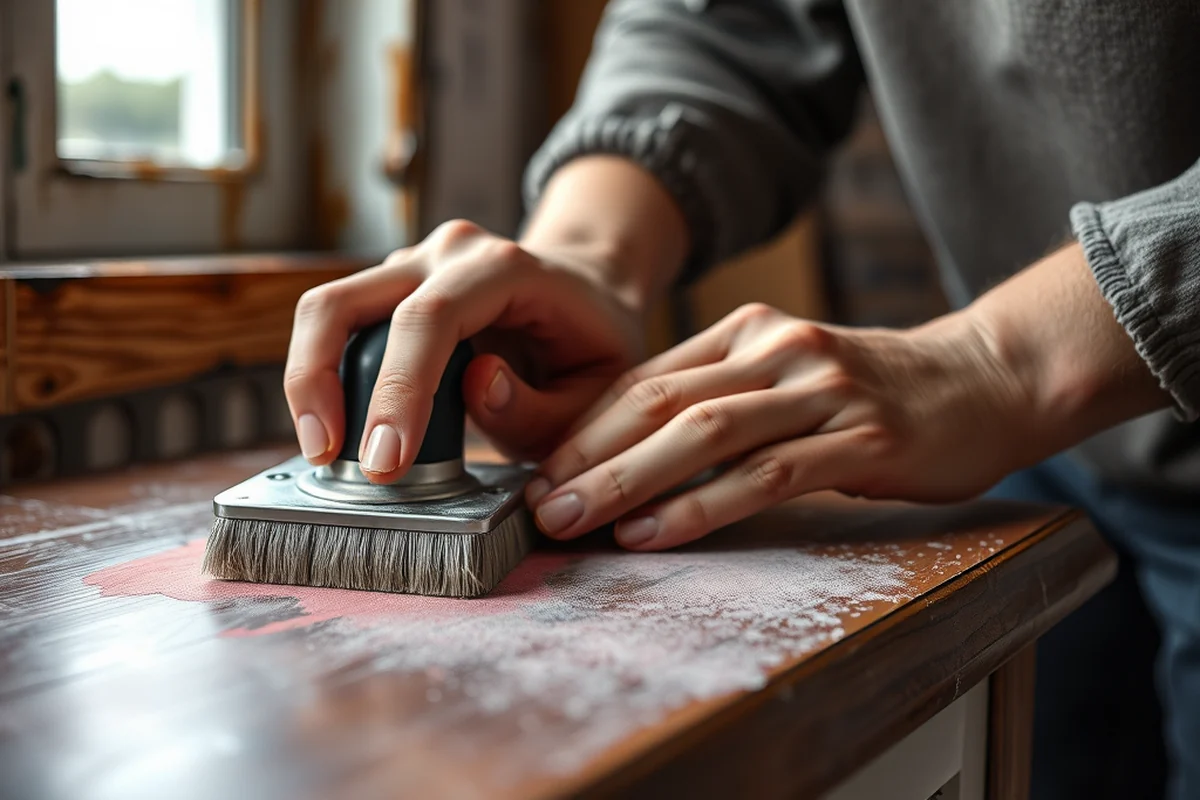
I found that the best way to apply metallic spray paint is in light, even strokes, moving the can in a slow, sweeping motion. It’s important to keep the can at a consistent distance—too close and you risk overspray, too far and the paint may not cover evenly.
I always start with a test patch before painting the entire surface. This helps me see how the paint behaves and how the metallic effect looks in different lighting. It also lets me adjust my technique if needed before committing to the whole project.
I also learned the importance of allowing the paint to dry properly between coats. I applied two thin coats, letting each one dry for about 30 minutes before applying the next. This ensured a smooth, even finish without any streaks or bubbles.[2]
Apply in light, even strokes and maintain a consistent distance for the best result.
Related: How to make an copper golem
Choosing the Right Metallic Paint for Your Project
Choosing the right metallic paint depends on the look you want and the surface you’re painting. I’ve used copper for a bold, modern feel and silver for a sleek, minimalist appearance. It’s important to pick a finish that complements the room and the other elements in the space.
I also look for paints that are specifically formulated for the surface I’m working with. Some metallic sprays are better suited for metal, while others are designed for wood or concrete. Always check the manufacturer’s recommendations to ensure compatibility.
I’ve found that high-quality metallic sprays tend to last longer and offer a more consistent finish. I always read reviews and compare products before making a purchase, which helps me avoid the trial-and-error phase.
Choose a metallic spray paint that is compatible with your surface type and intended use. For example, use a high-durability variant if you're painting a frequently used piece like a table or chair.
“Metallic spray paint is one of the most transformative tools I’ve ever used in my DIY projects.”— DIY Furniture with Metal Components editors
Related: Best metal components
The Unique Shimmer Effect of Metallic Paint

The shimmer in metallic spray paint is one of its most appealing features. It adds depth and dimension to any surface, making it stand out in any room. I used it on my coffee table and was amazed at how the light caught the surface at different angles throughout the day.
Unlike traditional paints, which can look flat and uniform, metallic spray paint has a dynamic quality. It doesn’t just reflect light—it plays with it, creating an effect that changes depending on the time of day and the surrounding light sources.
I’ve noticed that the shimmer effect is more pronounced in certain lighting conditions. Natural sunlight tends to enhance the metallic effect the most, while artificial lights can still create a subtle, elegant glow. It’s a great way to add visual interest to any project.
Related: Metal building components diagram
How to Achieve a Professional Finish with Metallic Paint
Getting a professional finish with metallic spray paint requires patience and attention to detail. I learned that applying thin, even coats is the best way to avoid streaks or uneven coverage. It’s easy to overdo it and end up with a thick, clumpy finish, which is why I always start with a test patch.
I also found that using a steady, even motion when spraying is important. I hold the can about 8 to 12 inches away from the surface and move it in smooth, overlapping strokes. This ensures that the paint covers the surface uniformly without leaving any gaps.[3]
Another trick I picked up is to allow each coat to dry completely before applying the next. I always wait at least 30 minutes between coats, which helps the paint set properly and results in a smoother, more professional finish.[4]
Related: What is metal components
Common Uses for Metallic Spray Paint in DIY Projects
One of the most popular uses for metallic spray paint is on furniture. I used it on my old dining chairs and transformed them into a set that looked like it belonged in a high-end boutique. It’s a great way to refresh furniture without having to replace it entirely.
I’ve also used it on decorative items like picture frames, lamps, and even wall art. It adds a layer of sophistication that’s hard to achieve with other finishes. The way the light reflects off the surface gives the items a dynamic, almost architectural feel.
Another common use is on fixtures like cabinet handles, drawer pulls, and light switches. A few quick coats can make these small details stand out and add a touch of elegance to any room. It’s a simple way to upgrade your space with minimal effort.
From furniture to fixtures, metallic spray paint adds a unique, eye-catching finish to any DIY project.
Related: What is steel components
The Benefits of Using Metallic Spray Paint Over Traditional Paint
One of the biggest advantages of using metallic spray paint is the unique, shimmering effect it creates. Traditional paint tends to look flat and uniform, while metallic paint adds depth and dimension. I’ve used it on a set of shelves and watched as the light reflected off them in different ways throughout the day, giving the room a dynamic, almost architectural feel.
Another benefit is its durability. Unlike some traditional paints, which can chip or fade over time, metallic spray paint holds up well to wear and tear. I’ve used it on my outdoor bench, and it still looks great even after several months of use.
I also love the versatility of metallic spray paint. It can be used on a wide range of surfaces, from metal to wood to concrete. It’s a great option for DIYers who want to create a custom look without the hassle of complex application methods.
💰 Budget Build
Use affordable metallic spray paint with a few basic tools to achieve a professional-looking finish on furniture or fixtures.
⏰ Weekend Version
Complete a full project in a single day using quick-drying metallic spray paint and minimal preparation.
✨ Upgraded Finish
Apply multiple coats of high-quality metallic spray paint for a more refined, multidimensional effect on furniture or decor.
🛋️ Small-Space Adaptation
Use metallic spray paint on compact furniture pieces to add visual interest without overwhelming the space.
🏠 Rental-Safe Option
Choose a low-odor, easy-to-remove metallic spray paint for temporary or rental-friendly furniture updates.
| The mistake | Why it happens | The fix |
|---|---|---|
| Applying too much paint in one coat | Applying too much paint at once can lead to streaks, bubbles, or an uneven finish. | Use thin, even coats and allow each coat to dry completely before applying the next. |
| Not preparing the surface properly | Failing to clean or sand the surface can result in poor adhesion and a subpar finish. | Always sand the surface lightly and wipe it with a degreaser to ensure it’s clean and ready for paint. |
| Spraying too close to the surface | Spraying too close can cause overspray and uneven coverage, making the finish look messy. | Keep the can about 8 to 12 inches away from the surface and move in even, sweeping strokes. |
| Not allowing the paint to dry properly | Applying a second coat too soon can lead to a sticky or uneven finish. | Wait at least 30 minutes between coats to allow the paint to dry completely. |
What Is Metallic Spray Paint
Common Questions
Can metallic spray paint be used on wood surfaces?
How many coats should I apply?
Is metallic spray paint durable for outdoor use?
Can I use metallic spray paint on furniture that has already been painted?
References
- Effects of automotive paint spray technology on the paint transfer ... (academia.edu)
- Case studies investigating the spraying of illegal graffiti in the UK ... (archive.gfjc.fiu.edu)
- Mel Bochner | The Art Institute of Chicago (artic.edu)
- Trace Evidence: Paint | Virginia Department of Forensic Science (dfs.virginia.gov)
Cite this guide
DIY Furniture with Metal Components (2026). What Is Metallic Spray Paint. https://weldworknow.com/what-is-metallic-spray-paint/
Feel free to cite or share this guide.