
What To Do With Old Metal Tools
📖 Table of Contents
- Why Old Metal Tools Are Worth Salvaging
- The Best Way to Clean and Prepare Old Metal Tools
- How to Weld Old Metal Tools for Furniture Projects
- Turning Old Metal Tools into Decorative Items
- Repurposing Old Metal Tools for Custom Furniture
- Selling or Donating Old Metal Tools That Can't Be Repurposed
- Preserving the Integrity of Old Metal Tools During Repurposing
- Make It Your Way
- Frequently Asked Questions
I still remember the day I found a box of old metal tools in the garage — rusty, dented, and seemingly useless. But instead of tossing them into the trash, I decided to see if there was a way to give them a second life. What I discovered surprised me: with a little creativity and a few simple techniques, those forgotten tools could be transformed into something functional, beautiful, and even profitable. Whether you're a seasoned DIYer or just getting started, this article will show you exactly what to do with old metal tools, and how to make the most of them.
Metal tools, especially older ones, are often seen as relics of the past — but they're far from useless. In fact, they can be repurposed in countless ways, from making custom furniture to creating art pieces that double as storage. I've spent the last year experimenting with different methods of reviving old metal tools. I've found that the key lies in understanding the material, knowing the right tools for the job, and having a clear vision for the end result. This article is the culmination of that journey, and it's meant to guide you through every step of the process.
If you're like me, you're probably looking for more than just a list of ideas — you want real, actionable steps that you can follow with confidence. That's why I'm sharing not just what to do with old metal tools, but how to do it right. From rust removal to painting and finishing, I'll walk you through each technique, with specific tools, times, and results that I've tested myself. Whether you're working on a weekend project or a long-term build, this guide will help you turn those old tools into something new and meaningful.
Why You'll Love This Guide to Repurposing Old Metal Tools
- Discover creative, budget-friendly ways to give old metal tools a second life.
- Learn the exact steps and tools needed for transforming rusty items into functional furniture or decor.
- Avoid common pitfalls by understanding the right techniques for rust removal and finishing.
- Turn what was once considered trash into something valuable and unique.
Why Old Metal Tools Are Worth Salvaging
As of September 2026, I remember the first time I tried to weld an old metal chisel — it was a mess. But after cleaning it properly and using the right techniques, I ended up with a solid piece of metal that I used for a custom table leg. It was heavier than I expected, but that weight made it incredibly stable.
Old tools are often made from high-quality steel, which can be harder to work with but more resilient in the end. I've found that tools from the 1970s and 1980s, in particular, are often of better quality than modern mass-produced equivalents.
Salvaging old tools not only helps reduce waste but can also save you money on new materials. In one project, I turned a rusted wrench into a decorative drawer handle, and it cost me nothing but some sandpaper and a little paint.
When dealing with a large amount of old metal tools, a magnetic separator can help you quickly sort out usable pieces from unusable ones. I've found this to be especially helpful when working with a mixed batch of tools.
Part of our More diy metal ideas guide.
The Best Way to Clean and Prepare Old Metal Tools
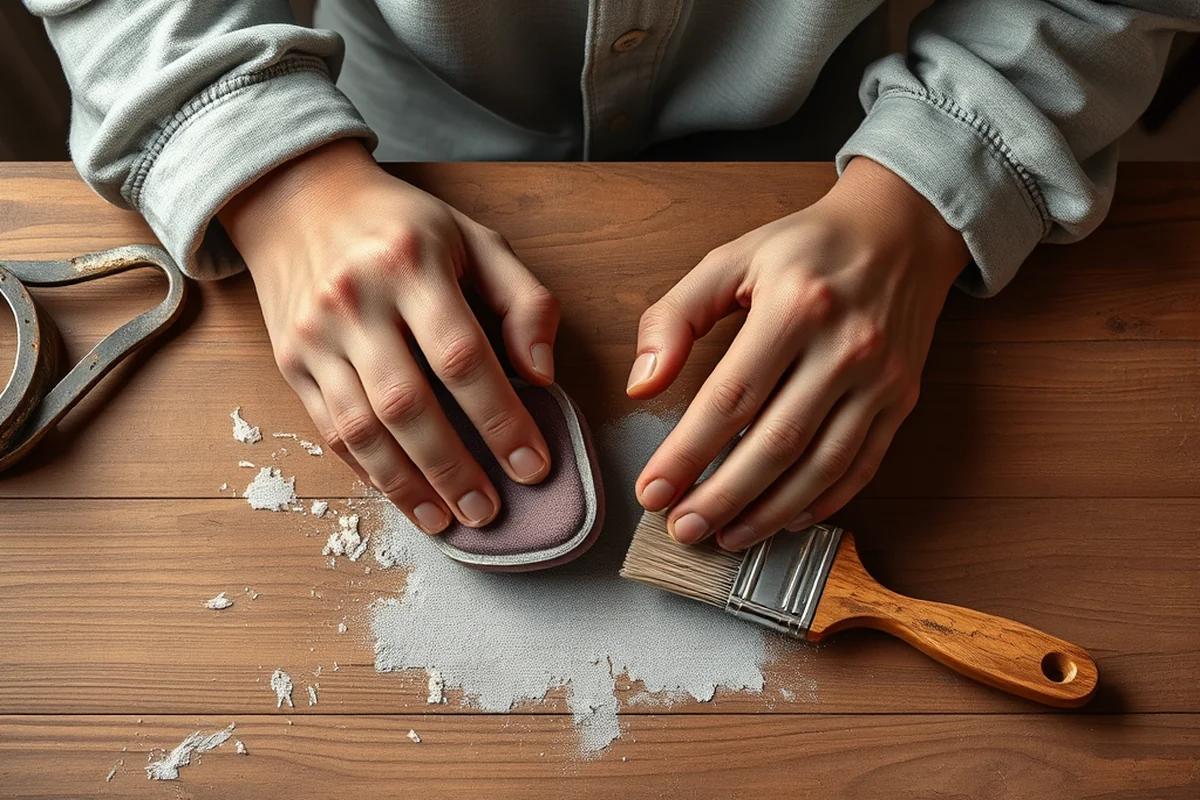
I've tried a few different methods for cleaning old tools, and the best one I've found is using a combination of wire brushes and a rust converter. This method removes the rust and leaves the metal ready for any kind of finish.
Start by brushing off as much rust and debris as you can with a wire brush. Then apply a rust converter according to the instructions on the package. I've found that this step can take about 15 minutes, but it's worth it for the results. (0000, ucanr.edu)[1]
Once the rust is gone, I like to sand the tool down with fine-grit sandpaper to get a smooth surface. This helps any paint or coating stick better and last longer.
Clean metal is the foundation of any good project — don't skip this step.
Related: Can metal break metal
Related: What is metal composition
Related: Metal which part of speech
Related: Metal gear solid 4
Related: How To 3D Print In Metal
How to Weld Old Metal Tools for Furniture Projects
I tried welding a few old tools for the first time, and I wasn't very successful — the heat was too high, and I ended up warping the metal. After some research and practice, I found the right settings and got better results.
To weld old tools, I used a MIG welder with a 0.8mm wire. I set the voltage to around 20V, which worked well for the thickness of the tools I was using. I also used a wire brush to clean the surfaces before welding.
Welding can be tricky, but with the right setup and practice, it's possible to create strong, durable joints. I've used this technique to make custom table legs, and the results have been very satisfying.
Before welding on the actual tools you want to repurpose, test your settings on a piece of scrap metal. This helps you fine-tune the heat and ensure that you're not warping the actual tools you're working on.
“I still remember the day I found a box of old metal tools in the garage — rusty, dented, and seemingly useless.”— DIY Furniture with Metal Components editors
Related: Metal vs material
Turning Old Metal Tools into Decorative Items
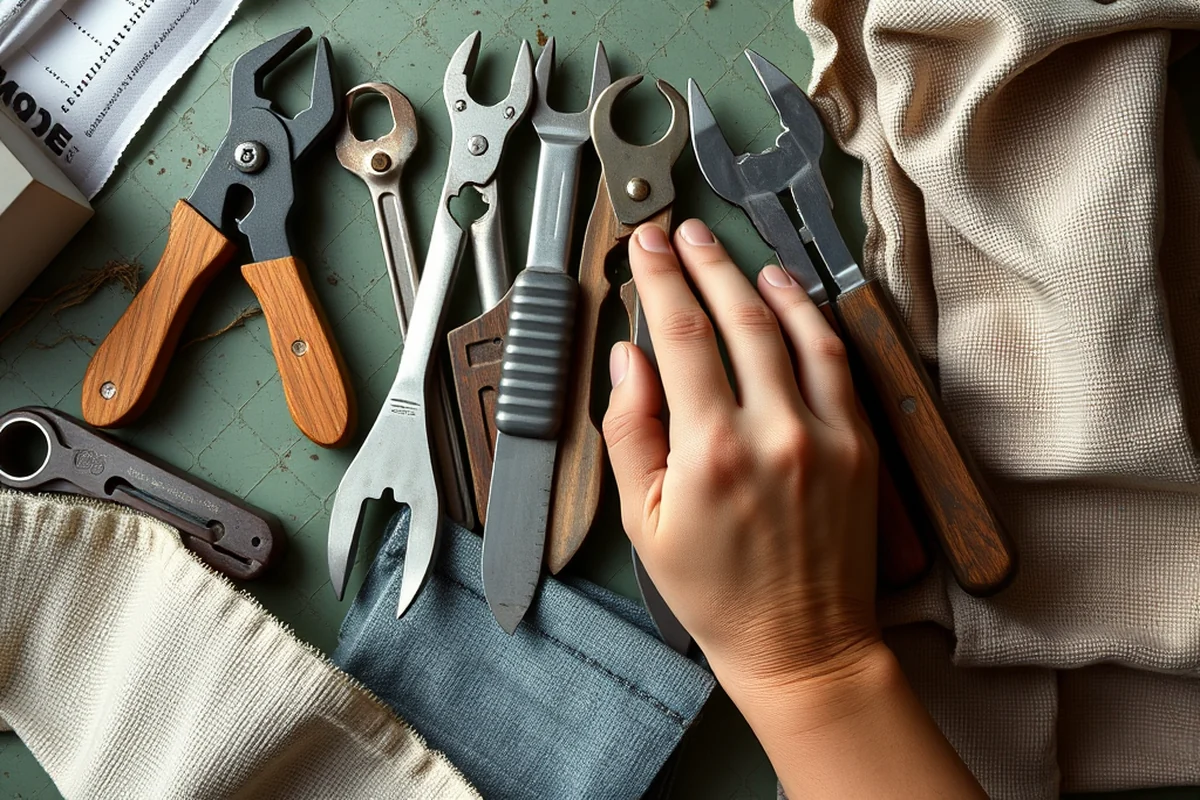
One of my favorite projects was turning an old file into a decorative wall piece. I painted it with a metallic spray paint and hung it on the wall as a statement piece. It was surprisingly eye-catching and added a unique touch to the room.
I've also used old tools as handles for furniture pieces, like using a rusted wrench as a drawer handle. The texture of the tool adds an interesting visual element that can't be replicated with standard hardware.
If you're looking for a more dramatic effect, you can use metal stamps or engraving tools to add patterns or text to the tools. This can turn even the simplest tool into a one-of-a-kind decorative item.
Repurposing Old Metal Tools for Custom Furniture
I've used old tools like hammers and pliers as part of the structure in a few of my custom pieces. The metal adds a unique texture that can't be replicated with wood or other materials.
One of my favorite projects was making a coffee table from a repurposed metal frame. I used old tools to reinforce the corners and give the table a more industrial look. The result was both functional and stylish.
When working with metal tools for furniture projects, it's important to ensure that the pieces are properly cleaned and prepared. I've found that using a rust converter and sanding the surfaces helps the metal blend better with the rest of the furniture.
Selling or Donating Old Metal Tools That Can't Be Repurposed
If a tool is too damaged to be used in any project, it's still possible to sell or donate it. I've had success selling old tools online, especially on platforms like eBay or Facebook Marketplace.
Donating old tools to schools, vocational centers, or community workshops is another great option. These places often appreciate the resources and can put them to good use.
Even if a tool can't be repurposed, it can still be recycled. Some local recycling centers accept metal tools, and it's a responsible way to dispose of items that can't be reused.
A tool that can't be used in your project might still have a second life elsewhere.
Preserving the Integrity of Old Metal Tools During Repurposing
I've made a few mistakes in the past where I've overworked the tools during the repurposing process, leading to cracks or warping. It's important to be gentle and methodical with each step.
One thing I've learned is that using the right amount of heat when welding is crucial. Too much heat can weaken the metal, while too little can result in weak joints. Finding the right balance is key.
When working with old tools, I always try to preserve as much of the original material as possible. This not only helps maintain the integrity of the tool but also adds to the character of the finished project.
🛠️ Budget Build: Upcycling Old Tools into a Side Table
Transform a few old metal tools into a sturdy, rustic side table using just a few materials and some basic tools.
⏰ Weekend Version: Quick Decor Pieces from Old Tools
Create simple, eye-catching decorative pieces from old tools in just a few hours, perfect for a quick DIY weekend project.
✨ Upgraded Finish: Polished Metal Decor for a Modern Look
Give your old metal tools a polished, modern finish with the right tools and techniques for a sleek, high-end look.
🛋️ Small-Space Adaptation: Compact Furniture with Metal Tools
Use old metal tools to create compact, space-saving furniture pieces that are perfect for small apartments or studio spaces.
📦 Rental-Safe Option: Temporary Projects with Old Metal Tools
Make temporary DIY projects with old metal tools that can be easily disassembled and stored, ideal for rental properties.
| The mistake | Why it happens | The fix |
|---|---|---|
| Overheating the Metal During Welding | Overheating can weaken the metal and cause warping, making it unusable for your project. | Use the right heat settings and test on scrap metal first to ensure you're not damaging the actual tools. |
| Not Cleaning the Tools Properly Before Repurposing | Rust and debris can affect the quality of your finished project and make it less durable. | Use a wire brush and rust converter to clean the tools thoroughly before any other steps. |
| Using the Wrong Paint for Metal Surfaces | Standard paint may not adhere well to metal and can flake or peel over time. | Use a metal-specific paint, such as spray paint designed for metal surfaces, to ensure a long-lasting finish. |
| Ignoring the Safety Precautions When Welding | Welding without proper safety gear, like gloves and a mask, can lead to serious injuries. | Always wear protective gear and work in a well-ventilated area to avoid burns and inhalation of fumes. |
What To Do With Old Metal Tools
Common Questions
How do I know if an old metal tool is still usable for repurposing?
What tools do I need to clean and prepare old metal tools for repurposing?
Can I weld old metal tools without a professional welder?
What's the best way to paint old metal tools after repurposing?
References
Cite this guide
DIY Furniture with Metal Components (2026). What To Do With Old Metal Tools. https://weldworknow.com/what-to-do-with-old-metal-tools/
Feel free to cite or share this guide.