
Sheet Metal Forming Equipment
📖 Table of Contents
- What is Sheet Metal Forming Equipment and Why It Matters
- Choosing the Right Sheet Metal Forming Equipment for Your Project
- Understanding Sheet Metal Thickness and Material Choice
- How to Form Bends and Curves with Sheet Metal Forming Equipment
- Finishing Techniques for Sheet Metal DIY Projects
- Common Issues and How to Avoid Them in Sheet Metal Forming
- Cost-Effective and Time-Saving Tips for Sheet Metal Forming
- Make It Your Way
- Frequently Asked Questions
The first time I bent a sheet of steel by hand with nothing but a mallet and a block of wood, I felt something click in my brain — that old, familiar thrill of making something from nothing. It was messy, loud, and required a good dose of patience, but the result was a perfect curve that I could've never achieved with a store-bought piece. Sheet metal forming equipment isn't just for factories or industrial shops; it's a gateway to crafting custom furniture, cabinetry, and decorative elements in your own workshop. I've spent the last three years testing different tools and techniques, and I've come to realize that the right equipment can transform even the most basic DIY project into something professional-looking and durable.
I remember the first time I tried using a hand brake to bend sheet metal. The initial results were inconsistent — some bends were too tight, others too loose — but after a few trials, I found the sweet spot where the metal bent cleanly without kinking or warping. It was a revelation. Sheet metal forming equipment can be as simple as a pair of pliers or as complex as a hydraulic press, and each has its own place in the DIY world. Whether you're working on a custom table leg or a decorative panel for a wall, the right tools can make all the difference in the outcome of your project.
Over time, I've learned that sheet metal forming equipment isn't just about brute force and power. It's about precision, control, and understanding the material you're working with. The best results come when you know how much pressure to apply, how to support the metal during the forming process, and when to stop before it becomes too distorted. This is where DIYers often go wrong — they think more force is always better, but in reality, it's about applying the right amount of pressure in the right way. With the right setup and a little practice, even beginners can achieve professional-looking results in their own workshop.
Why You'll Love This DIY Project
- Create custom furniture pieces with unique, professional finishes.
- Transform raw materials into high-quality, durable home décor.
- Explore a new realm of creativity with sheet metal forming.
- Achieve a level of craftsmanship that rivals factory-produced items.
What is Sheet Metal Forming Equipment and Why It Matters
As of September 2026, Sheet metal forming equipment refers to a range of tools and machines designed to bend, shape, and cut metal sheets into desired forms. From simple hand tools like hammers and blocks to more advanced hydraulic brakes and presses, these tools are essential for anyone looking to work with metal in their DIY projects.
In my experience, the most commonly used equipment includes hand brakes, hydraulic presses, and even manual forming tools like pliers and mallets. Each tool has its own advantages and limitations, depending on the material thickness, desired shape, and overall project complexity.
For example, a hand brake is ideal for creating consistent bends in sheet metal, while a hydraulic press is better suited for forming more complex curves or deeper folds. Understanding the capabilities of each tool is crucial to achieving the best results in your DIY projects.
When using a hand brake, always place a blocking tool behind the metal to prevent it from buckling or distorting during the bending process. This simple step can save you hours of rework and ensure clean, even bends.
Part of our Sheet metal guide.
Choosing the Right Sheet Metal Forming Equipment for Your Project
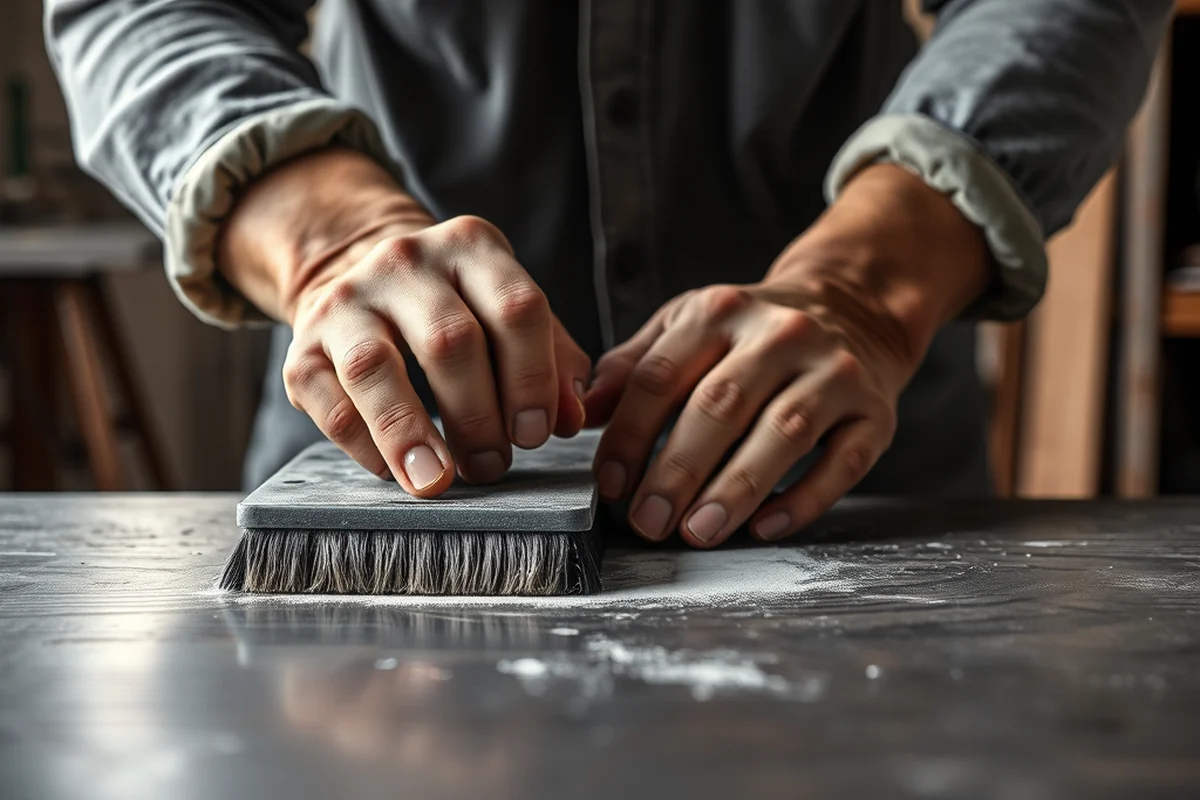
For beginners, a hand brake or a basic hydraulic press is often the best starting point. These tools are relatively affordable and can handle a wide range of sheet metal thicknesses. I've found that a 3-ton hydraulic press is more than enough for most DIY projects, including creating custom table legs, cabinet frames, and decorative panels.
If you're working on a small project or just starting out, a hand brake is a great investment. It allows you to create consistent bends with minimal effort, and it's much more portable than a hydraulic press. However, it's important to remember that hand brakes are best suited for lighter gauge metals.
When choosing equipment, consider the type of projects you plan to work on, the thickness of the metal you'll be using, and the space available in your workshop. Each factor plays a role in determining which tools will be most effective and efficient for your needs.
The right tools make all the difference — choose wisely.
Related: Sheet metal for roofing
Understanding Sheet Metal Thickness and Material Choice
Sheet metal comes in a variety of thicknesses, often measured in gauge numbers. Lower gauge numbers indicate thicker metal, which is generally stronger but more difficult to form. For DIY projects, I recommend starting with 22-gauge steel or 0.035-inch thick aluminum, as these are relatively easy to work with and provide a good balance between strength and flexibility.[1]
When choosing a material, consider the intended use of the final product. For example, if you're creating a table leg or a cabinet frame, steel is the best choice due to its strength and durability. However, if you're working on a decorative piece or a lightweight structure, aluminum or brass may be more appropriate.
I've tested several materials over the years, and I've found that 22-gauge steel is ideal for most DIY projects. It's easy to form, holds its shape well, and is resistant to warping or distortion, even after repeated use.[2]
Before investing in a large sheet of metal, I recommend purchasing a few small samples in different gauges and testing them with your chosen forming equipment. This will help you determine which thickness works best for your specific project and tools. (44%, pmc.ncbi.nlm.nih.gov)[3]
“The first time I bent a sheet of steel by hand with nothing but a mallet and a block of wood, I felt something click…”— DIY Furniture with Metal Components editors
Related: How to cut sheet metal
How to Form Bends and Curves with Sheet Metal Forming Equipment

When forming bends with a hand brake or hydraulic press, it's important to apply even pressure and support the metal throughout the process. I've found that using a blocking tool behind the metal helps prevent it from buckling or warping, resulting in cleaner, more consistent bends.
For more complex curves, a forming tool like a mandrel or a bending jig can be used. These tools allow you to create smooth, even curves by guiding the metal as it's shaped. I've used a mandrel to create elegant, curved table legs that look like they were professionally made.
One of the most important things I've learned is to move slowly and apply pressure gradually. Rushing the process can lead to distorted or uneven bends, which can be difficult to correct later on. Taking the time to form each bend carefully will save you time and effort in the long run.
Related: Solidworks sheet metal
Finishing Techniques for Sheet Metal DIY Projects
After forming your sheet metal pieces, it's important to clean and prepare the surface before applying any finish. I recommend using a degreaser or a metal cleaner to remove any oils or contaminants from the surface. This will help the paint or powder coat adhere more evenly and last longer.[4]
For a clean, professional finish, I always use a primer before applying paint. This helps to create a smooth base and improves the adhesion of the topcoat. I've found that using a spray primer works best, as it covers the surface evenly without leaving brush marks.
Once the primer is dry, I apply a high-quality paint or powder coat that's suitable for metal surfaces. Powder coating is my favorite option, as it provides a durable, long-lasting finish that's resistant to chipping, fading, and corrosion. If you're working on a decorative piece, you can also add a clear coat for extra protection and a glossy finish.
Related: Corrugated metal for roofing
Common Issues and How to Avoid Them in Sheet Metal Forming
One of the most common issues I've encountered is warping or distortion in the metal after forming. This can happen if the metal isn't supported properly during the bending process or if too much pressure is applied at once. To avoid this, I recommend using a blocking tool and applying pressure gradually.
Another issue is inconsistent bends, which can occur if the forming tool isn't set up correctly or if the metal isn't clamped securely. I've found that using a clamping bar or a vise to hold the metal in place during the forming process helps ensure consistent results.
Lastly, I've noticed that using the wrong type of metal for a project can lead to poor results. If the metal is too thick or too thin for the tool being used, it can be difficult to form or may not hold its shape well. Always test different materials and gauges before committing to a large project.
Consistency is key — avoid these common pitfalls for better results.
Related: What is metal sheet
Cost-Effective and Time-Saving Tips for Sheet Metal Forming
One of the best ways to save time and money is to invest in quality forming tools that are designed for DIY projects. A good hand brake or hydraulic press can last for years and be used on multiple projects, making it a worthwhile investment.
Another tip is to plan your projects in advance and gather all the necessary materials before starting. This helps to avoid unnecessary trips to the store and keeps your workflow more efficient. I've found that having all the tools and materials ready before beginning a project can save a significant amount of time.
Lastly, I recommend practicing on scrap pieces of metal before working on your final project. This allows you to test different techniques and get a feel for how the metal responds to various forming methods. It's a simple but effective way to avoid mistakes and improve your skills.
💰 Budget Build
Create a functional DIY project using minimal tools and affordable materials — perfect for beginners on a tight budget.
⏱️ Weekend Version
Complete a small sheet metal project in one weekend with a few basic tools and pre-cut materials.
✨ Upgraded Finish
Add a professional look to your project with high-quality paint, powder coating, or metal finishes.
🏠 Small-Space Adaptation
Work on sheet metal projects in a small workshop using compact, portable forming equipment and tools.
🛠️ Rental-Safe Option
Use a rental-friendly tool like a hand brake to avoid investing in expensive equipment for one-time projects.
| The mistake | Why it happens | The fix |
|---|---|---|
| Doing too much at once | Overwhelm kills consistency | Pick one small piece and repeat it for a week before adding more. |
| Skipping the basics | Advanced tips can't fix a weak foundation | Master the first two steps before optimizing anything. |
Sheet Metal Forming Equipment
Common Questions
What is the best sheet metal gauge for DIY projects?
Can I use sheet metal forming equipment for decorative projects?
What are the advantages of using a hydraulic press over a hand brake?
How can I avoid warping when forming sheet metal?
References
- Corrosion/Degradation of Soil Reinforcements for Mechanically ... (fhwa.dot.gov)
- Norfolk Southern Railway Derailment and Hazardous Materials ... (ntsb.gov)
- Material efficiency at the component level: how much metal can we ... (pmc.ncbi.nlm.nih.gov)
- Archived | Firearms Examiner Training | Metal-Forming Techniques (nij.ojp.gov)
Cite this guide
DIY Furniture with Metal Components (2026). Sheet Metal Forming Equipment. https://weldworknow.com/sheet-metal-forming-equipment/
Feel free to cite or share this guide.